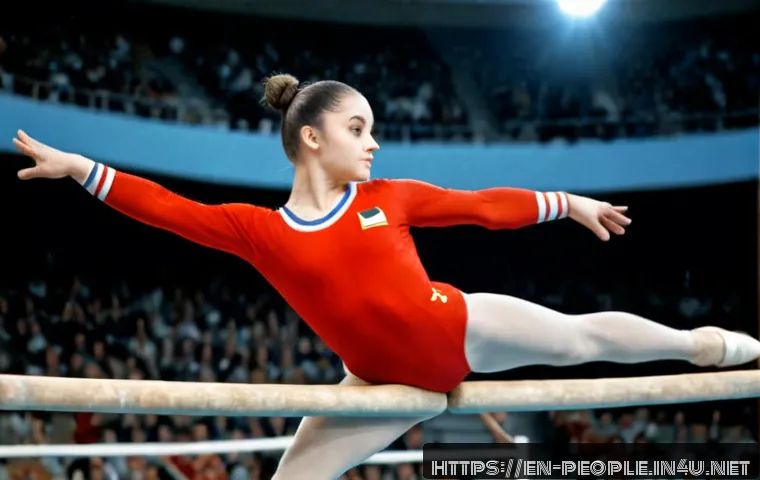
Nadia Comăneci changed gymnastics history with the first perfect 10 at the 1976 Olympics. Explore her competitive timeline, Olympic medals, world titles, retirement, and how to assess reliable career resources.
Nadia Comăneci became a gymnastics landmark when she earned the first perfect 10.0 in Olympic gymnastics history at the 1976 Montreal Olympics. She finished her Olympic career with nine medals and retired from competitive gymnastics in 1984.
Her record is easiest to understand when Olympic medals, World Championship titles, and individual perfect scores are kept separate. For readers choosing a biography, documentary, or gymnastics-history resource, competition coverage and source quality matter more than dramatic storytelling.
Comăneci represented Romania in international artistic gymnastics competition and remains closely associated with a defining moment in Olympic gymnastics. Her Montreal performance included seven perfect 10.0 scores, while her later results confirm that her career extended well beyond one famous score. The timeline below provides a clear starting point for students, fans, and readers comparing historical resources.
Nadia Comăneci’s Competitive Career: Olympic Records, Major Titles, and Lasting Impact
At a Glance
- Nadia Comăneci received the first perfect 10.0 in Olympic gymnastics history at Montreal 1976.
- She won nine Olympic medals across the 1976 and 1980 Olympic Games: five gold, three silver, and one bronze.
- She won the 1978 World Artistic Gymnastics Championships women’s all-around title and retired from competition in 1984.
| Competition or Milestone | Key Result | Why It Matters When Researching Her Career |
|---|---|---|
| Montreal 1976 Olympic Games | Three gold, one silver, one bronze; seven perfect 10.0 scores | The central Olympic record and the setting of the first Olympic perfect 10.0 |
| 1978 World Artistic Gymnastics Championships | Women’s all-around title | A World Championship achievement that should not be merged with Olympic results |
| Moscow 1980 Olympic Games | Two additional gold medals | Shows that her Olympic success continued after Montreal |
| Competitive retirement | Retired in 1984 | Marks the end of her competitive gymnastics career |
The Short Answer: Why Nadia Comăneci Became a Gymnastics Landmark
Nadia Comăneci became a landmark figure because her 1976 Olympic performance joined a historic score with major medal success. The perfect 10.0 was not an isolated publicity moment: she earned seven perfect 10.0 scores during the Montreal Games and won three gold medals, one silver medal, and one bronze medal there. Her later Olympic and World Championship results also matter when evaluating the full scope of her career.
The First Perfect 10 at the 1976 Montreal Olympics
At the 1976 Montreal Olympic Games, Comăneci received the first perfect 10.0 score in Olympic gymnastics history. Under the scoring system used at that time, a 10.0 represented a perfect score. That historical scoring context is essential: the meaning of a perfect 10.0 belongs to the system in place in 1976 and should not be treated as a direct modern-score comparison.
For a reliable account of this moment, look for a resource that identifies the competition, explains the period scoring system, and distinguishes documented competition results from later retellings. Archival competition footage can be especially useful because it lets readers connect the historical claim to the event itself.
Her Olympic Medal Total and Competitive Retirement
Across the 1976 Montreal and 1980 Moscow Olympics, Comăneci won nine medals: five gold, three silver, and one bronze. At Moscow 1980, she won two additional gold medals. She retired from competitive gymnastics in 1984.
A concise career summary should include all three points: the Montreal breakthrough, the continued Olympic results in Moscow, and the retirement year. Omitting the second Olympics can make her career appear narrower than the documented record shows.
Career Timeline at a Glance: Olympics, World Championships, and Major Milestones
International Competition for Romania
Comăneci represented Romania in international artistic gymnastics competition. This is the appropriate starting point for a factual overview of her competitive identity. Detailed claims about daily training hours, private routines, medical matters, or specific behind-the-scenes coaching decisions require dependable primary documentation and should not be assumed from a general sports profile.
Montreal 1976, World Championships, Moscow 1980, and Retirement
Her major competitive timeline is clear when each type of result has its own place. Montreal 1976 brought the first Olympic perfect 10.0 and five medals. In 1978, she won the women’s all-around title at the World Artistic Gymnastics Championships. At Moscow 1980, she added two Olympic gold medals. Her competitive retirement followed in 1984.
She was inducted into the International Gymnastics Hall of Fame in 1993. That honor came after her competitive retirement, so it belongs in a legacy timeline rather than a list of active competition results.
Comparing Her Biggest Competitive Achievements and Their Historical Value
Medal Results Versus All-Around Titles Versus Perfect Scores
These terms answer different questions. Olympic medals describe podium results at the Olympic Games. An all-around title identifies an overall championship result, such as Comăneci’s 1978 World Artistic Gymnastics Championships title. Perfect scores describe individual scoring achievements within the rules of a specific era.
Keeping these categories separate prevents common timeline errors. Her nine Olympic medals are not the same thing as her 1978 World all-around title, and neither category should be reduced to the seven perfect 10.0 scores from Montreal.
Why a Perfect 10 in 1976 Cannot Be Directly Compared With Modern Scoring
The 1976 perfect 10.0 should be understood through the scoring system of its own time. It was historically significant because 10.0 was the perfect result under that system, and Comăneci became the first gymnast to receive one at the Olympic Games. A modern numerical score comes from a different scoring framework, so a simple number-to-number comparison can mislead readers.
Good gymnastics history explains the context before drawing conclusions. It does not claim that a current gymnast, training plan, or product can reproduce Comăneci’s results.
What to Check When Selecting a Book or Documentary About Her Career
A useful Nadia Comăneci biography or sports documentary should cover the competitions that define her record, not only the famous Montreal image. Check whether it addresses Montreal 1976, the 1978 World all-around title, Moscow 1980, and her 1984 retirement. Look for credited research, clear publication information, and a distinction between archival record and dramatized scenes.
For documentaries, archival footage and identifiable competition coverage are strong selection criteria. For books, a clear source list, notes, or references can help readers assess how claims were assembled. Availability, pricing, regional access, and editorial accuracy can change, so review the current listing details before choosing a paid resource.
How to Research Her Record Without Repeating Common Errors
Keep Olympic, World Championship, and Exhibition Results Separate
Start by sorting every claim by competition type. Olympic results belong with Olympic results; World Championship titles belong in their own category. Exhibition material, commemorative programming, or retrospective coverage should not be presented as competitive results without supporting records.
Avoid Confusing Event Medals With Overall All-Around Rankings
Event medals, total Olympic medal counts, and all-around titles are related to gymnastics competition, but they are not interchangeable. When reading a short profile, ask what the result actually describes. Is it a medal at the Olympics, an all-around championship, or a score achieved during a particular competition?
This small check improves accuracy quickly. It also helps students avoid repeating a headline fact while missing the event or championship context that gives it meaning.
Check Dates, Governing-Body Records, and Archival Competition Footage
Use a simple verification order: confirm the date, identify the competition, and then compare the claim with governing-body records or archival competition footage where available. A polished article or video can still simplify a timeline. The stronger resource is the one that makes its competition coverage and research basis easy to identify.
Be cautious with unsupported anecdotes about personal routines or coaching choices. If a claim cannot be traced to reliable documentation, it is better described as unverified than repeated as career fact.
What Her Career Can Teach Different Gymnastics Audiences
For New Fans Learning the Sport’s History
Comăneci’s career offers a practical way to learn three basic ideas in gymnastics history: how Olympic medals are counted, what an all-around title means, and why scoring systems shape the meaning of a result. Her 1976 perfect 10.0 is a memorable entry point, but the full record gives it stronger context.
For Young Gymnasts Studying Technique and Competitive Context
Young gymnasts can use historical material to understand competitive context rather than to search for a guaranteed formula for success. A responsible training-history resource explains the event, era, and scoring framework. It should not promise that studying a famous athlete’s career will reproduce the same results.
For Parents Comparing Educational Gymnastics Media and Training Resources
Parents may prefer educational gymnastics media that separates documented competition footage from dramatized storytelling. A resource is more useful when it names the competitions covered, credits its research, and presents scoring history clearly. For younger viewers, those features can be more valuable than a sensational presentation of a single famous performance.
Choosing Reliable Career Resources: A Comparison Summary
Best Criteria for Biographies, Documentaries, Museum Archives, and Official Records
Different formats serve different needs. A biography may provide a broader narrative, while a documentary may offer visual context through archival footage. Museum archives and official records can be especially helpful for checking dates, titles, medal totals, and competition names. No format should be accepted automatically; the deciding factor is whether it shows where its information comes from.
When Paid Historical Resources Offer More Value Than Short Online Summaries
A paid book or documentary may offer more value when it provides full competition coverage, credited research, archival footage, or a carefully dated historical account. A short online summary may still be enough for a quick fact check. Before purchasing, compare the table of contents, stated coverage, publication date, and research credits rather than assuming a longer or more dramatic resource is more accurate.
A Final Checklist Before Citing or Buying a Resource
Before citing or choosing a gymnastics biography, documentary, or historical training resource, confirm that it identifies the 1976 Montreal Olympics, the 1978 World all-around title, the 1980 Moscow Olympics, and the 1984 retirement accurately. Then check whether it separates documented records from interpretation or dramatization. This approach helps readers choose material that supports learning rather than repeating memorable but incomplete claims.
Selection Criteria and Comparison Summary
Use these checks when comparing a Nadia Comăneci book, documentary, or archive: archival footage where relevant; credited research; specific competition coverage; a visible publication date; and a clear separation between Olympic, World Championship, and retrospective material. If you are considering a paid resource, review its official description, format details, and current access conditions on the relevant page before deciding.
In Closing
Nadia Comăneci’s competitive career is larger than one celebrated Olympic score, even though the first perfect 10.0 remains its defining historical moment. Her five Olympic gold medals, nine total Olympic medals, 1978 World all-around title, and 1984 retirement create a more complete timeline. Reading those achievements in their proper categories makes her record easier to understand and harder to misstate.
Useful Information to Know
1. Comăneci earned seven perfect 10.0 scores at the 1976 Olympics.
2. Her Olympic medal total combines results from Montreal 1976 and Moscow 1980.
3. Her 1978 World all-around title is a World Championship result, not an Olympic medal result.
4. She entered the International Gymnastics Hall of Fame in 1993.
5. Modern scoring should not be treated as a direct numerical comparison with the 1976 perfect-10 system.
Important Notes
Exact training hours, personal routines, medical history, and private coaching decisions should be checked against reliable primary documentation before being presented as fact. Biographies and documentaries can vary in editorial accuracy, regional availability, and current pricing. When a portrayal adds dramatic detail without clear sourcing, compare it with governing-body records, dated archival material, or other well-documented historical resources.
Frequently Asked Questions
Q1. How many Olympic medals did Nadia Comăneci win?
A1. Nadia Comăneci won nine Olympic medals across the 1976 Montreal and 1980 Moscow Olympic Games: five gold, three silver, and one bronze.
Q2. Why was Nadia Comăneci’s perfect 10 at the 1976 Olympics so important?
A2. It was important because she received the first perfect 10.0 score in Olympic gymnastics history. Under the scoring system used at the time, 10.0 represented a perfect score, making the result a defining historical milestone.
Q3. What should I look for when choosing a reliable Nadia Comăneci biography or gymnastics documentary?
A3. Look for clear competition coverage, archival footage when appropriate, credited research, a visible publication date, and an accurate separation of Olympic results, World Championship achievements, and dramatized or retrospective material.