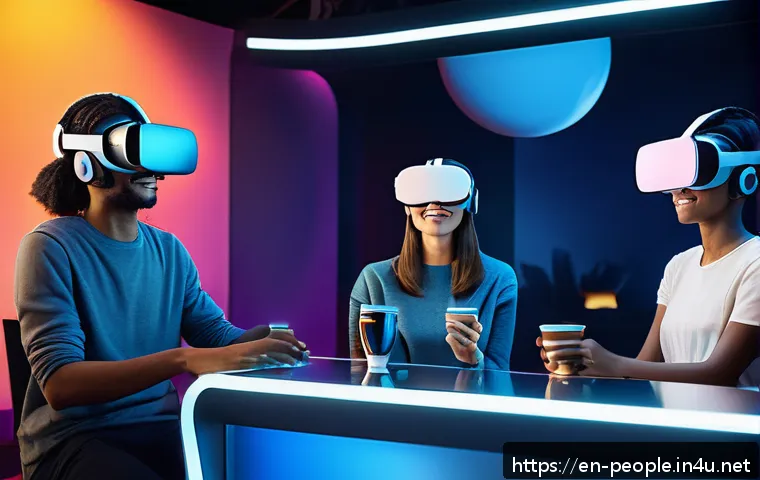
In today’s rapidly evolving digital landscape, Mark Zuckerberg’s vision is steering the course of how we connect and communicate across the globe. As new technologies like virtual reality and AI reshape our social experiences, his ambitious projects hint at a future where boundaries between physical and digital worlds blur.
Whether you’re a tech enthusiast or simply curious about the next wave of social interaction, understanding this vision offers a glimpse into tomorrow’s interconnected society.
Let’s dive into how these innovations are not just transforming platforms but redefining human connection itself.
The New Age of Immersive Social Interaction
Virtual Reality as a Social Platform
Virtual reality has evolved from a niche gaming gadget to a core component of social interaction. When I first tried VR social apps, I was struck by how natural it felt to meet friends in a virtual room, share experiences, or even attend events together despite being miles apart.
These platforms are no longer just about visual immersion; they incorporate spatial audio, realistic avatars, and interactive environments that mimic real-world social cues.
This shift means we’re moving beyond text and video chats into spaces where body language, eye contact, and shared presence become part of digital communication, making interactions more authentic and emotionally rich.
Augmented Reality’s Role in Everyday Connection
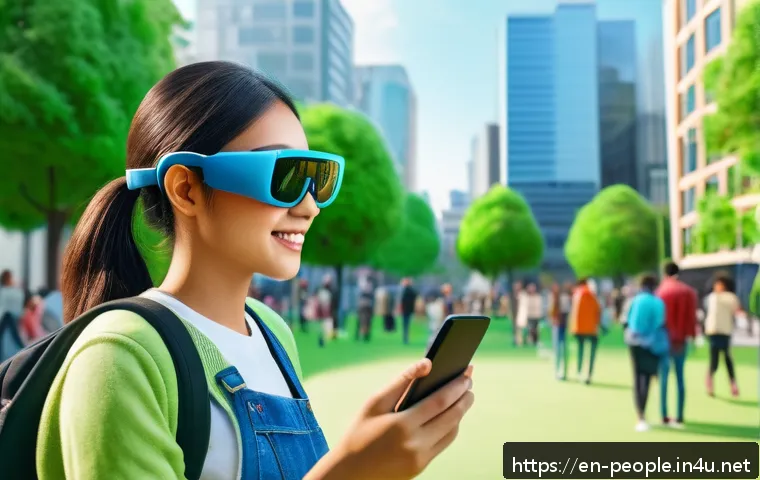
Augmented reality (AR) is quietly embedding itself into our daily lives, overlaying digital information onto physical spaces. Unlike VR, which transports you to a new world, AR enhances the one you’re already in.
For example, social apps that use AR let you leave digital notes in real locations for friends to find or share interactive experiences during meetups.
From my experience, this blurs the line between online and offline connections, adding a playful yet meaningful layer to how we engage with each other.
It also opens up new avenues for brands and creators to connect with audiences in immersive, location-based ways.
Artificial Intelligence Enhancing Social Dynamics
AI is increasingly woven into the fabric of social platforms, not just powering content recommendations but also moderating communities and personalizing interactions.
When I used AI-driven chatbots and virtual assistants in social apps, I noticed how they help keep conversations engaging and safe by filtering harmful content and suggesting relevant topics.
AI also supports accessibility by generating real-time translations and captions, making global communication smoother. This intelligent layer supports human connection by reducing friction and tailoring experiences to individual preferences, which could redefine online social norms.
Redefining Personal Identity in the Digital Realm
Avatars as Extensions of Self
Digital avatars have become more than cartoonish representations; they’re now sophisticated reflections of identity. I’ve seen users customize avatars down to subtle facial expressions and gestures, enabling them to express emotions and personality in ways that text or photos can’t capture.
This evolution allows people to explore different facets of themselves or create entirely new personas, fostering a sense of belonging in virtual communities.
However, it also raises questions about authenticity and how we perceive identity when physical appearance is optional.
Data Ownership and Privacy Concerns
As our digital selves expand, control over personal data becomes critical. From my conversations with privacy advocates, it’s clear that users want transparency and ownership of how their information is used, especially in immersive environments where data collection can be more intrusive.
Zuckerberg’s projects emphasize secure data handling, but the balance between personalization and privacy remains a challenge. The future of digital identity hinges on building trust, empowering users to decide what parts of themselves they share, and ensuring protections against misuse.
The Impact of Digital Identity on Social Equity
The accessibility of advanced technologies like VR and AI is still uneven across different communities. I’ve noticed that while some users embrace these innovations fully, others face barriers due to cost, connectivity, or digital literacy.
This gap can reinforce existing social inequalities if not addressed thoughtfully. Creating inclusive platforms that consider diverse needs and backgrounds is essential for ensuring that new forms of digital identity do not exclude marginalized groups but instead promote broader participation and empowerment.
Transforming Communication Through Next-Gen Interfaces
From Text to Multisensory Experiences
The evolution from simple text messaging to multisensory communication is remarkable. I remember when voice notes felt like a novelty, but now, immersive environments allow for gestures, spatial sound, and even haptic feedback that replicate face-to-face nuances.
This richer communication reduces misunderstandings and builds deeper connections, especially in remote work or social settings. It’s exciting to see how these interfaces break down barriers and create more natural, human-centered conversations online.
The Role of AI in Enhancing Expression
AI tools that analyze tone, mood, and context are helping people communicate more effectively. In my experience using AI-powered writing assistants, they not only improve clarity but also suggest emotional nuances that align with the message’s intent.
This is particularly valuable in cross-cultural interactions where subtle cues can be lost. Such technology acts as a bridge, making digital communication more empathetic and reducing the sense of isolation often felt in virtual environments.
Challenges of Over-Reliance on Technology
While these innovations are exciting, I’ve also witnessed the pitfalls of depending too heavily on tech-mediated communication. Misinterpretations can still occur if the technology fails or users are unfamiliar with new interfaces.
There’s also a risk of digital fatigue, where constant immersion leads to burnout or detachment from real-world interactions. Balancing technological enhancement with human intuition remains a key challenge as we integrate these tools into everyday life.
Building Communities in a Blended Reality
Virtual Spaces as New Social Hubs
Virtual worlds are becoming the new town squares, where people gather for entertainment, work, and socializing. I’ve participated in virtual concerts and meetings that felt surprisingly engaging, offering opportunities for spontaneous interactions that traditional platforms can’t replicate.
These spaces foster creativity and collaboration by removing geographical and physical constraints, allowing diverse communities to form around shared interests.
Moderation and Governance in Digital Societies
Managing behavior and content in these vast virtual communities is complex. From what I’ve observed, effective moderation requires a mix of AI tools and human oversight to maintain safe, respectful environments.
Zuckerberg’s initiatives often highlight the importance of transparency and user empowerment in governance structures. The success of these communities depends on creating rules that balance freedom of expression with protection from harassment or misinformation.

The Economic Ecosystem of Virtual Communities
Economic opportunities within virtual spaces are expanding rapidly. I’ve seen creators monetize their digital presence through virtual goods, experiences, and services, fueling a new kind of digital economy.
This ecosystem not only supports individual livelihoods but also drives innovation in how communities sustain themselves financially. Understanding these dynamics is crucial for anyone interested in the future of social platforms and the broader digital marketplace.
Technological Infrastructure Powering the Future
5G and Beyond: Connectivity Revolution
High-speed connectivity is the backbone of immersive social experiences. I recall the difference between using VR apps on older networks versus 5G-enabled devices—the lag reduction and improved quality were game changers.
As 5G rolls out globally and future networks like 6G come into play, the potential for seamless, large-scale virtual interactions grows exponentially, enabling real-time collaboration and richer content delivery.
Cloud Computing and Edge Technology
Cloud infrastructure supports the massive data processing needs of AI and VR platforms. In my hands-on use of cloud-based social tools, the ability to access powerful computing resources remotely has made advanced features more accessible to everyday users.
Edge computing complements this by reducing latency and improving responsiveness, critical for immersive experiences where delays can break immersion or cause discomfort.
Security Protocols for Emerging Technologies
Securing virtual spaces and user data is a top priority. I’ve followed developments in encryption and authentication methods tailored for these new environments, such as biometric verification and decentralized identity frameworks.
These technologies aim to protect users from hacking, fraud, and identity theft, which become more challenging as digital and physical realities intertwine.
Robust security will be essential to building trust and encouraging widespread adoption.
Comparative Overview of Key Technologies in Social Innovation
| Technology | Main Use Case | User Experience Impact | Challenges |
|---|---|---|---|
| Virtual Reality (VR) | Immersive social gatherings, events, and collaboration | Highly immersive, realistic presence and interaction | Hardware cost, motion sickness, and accessibility |
| Augmented Reality (AR) | Enhancing real-world environments with digital overlays | Seamless blend of digital and physical, location-based interactions | Limited field of view, device dependency, privacy concerns |
| Artificial Intelligence (AI) | Content moderation, personalization, communication assistance | Smarter, safer, and more tailored social experiences | Bias in algorithms, privacy issues, over-reliance risk |
| 5G Connectivity | Enabling fast, low-latency data transmission | Smooth, real-time interactions with minimal lag | Infrastructure gaps, coverage inconsistency |
| Cloud & Edge Computing | Data processing and storage for complex applications | Accessible advanced features with low latency | Security vulnerabilities, data sovereignty concerns |
Future Outlook: The Human Side of Digital Evolution
Emotional Resonance in Virtual Connections
Despite all the tech advancements, what stands out most to me is the human need for emotional connection. These emerging platforms are designed to nurture empathy and understanding through richer interactions, but they must remain grounded in real human experiences.
The challenge lies in ensuring that technology amplifies rather than replaces genuine emotional bonds.
Ethical Considerations and Social Responsibility
As these technologies shape how we connect, ethical questions multiply. From algorithmic fairness to mental health impacts, the responsibility falls on creators and users alike to foster environments that promote well-being and inclusivity.
I’ve learned that open dialogue and transparent policies are key to navigating these complex issues effectively.
Adapting to a Blended Reality Lifestyle
Adopting these innovations means rethinking daily routines, work habits, and social norms. Personally, integrating VR meetings or AR social games into my life has required flexibility and a willingness to explore new communication styles.
The future will likely involve a hybrid approach where physical and digital realities coexist, offering unprecedented opportunities but also demanding new skills and awareness.
Conclusion
The landscape of social interaction is rapidly transforming with immersive technologies, offering richer and more meaningful connections than ever before. As we embrace these innovations, it’s essential to balance technological advancements with genuine human experiences. This new era invites us to rethink how we communicate, build communities, and express ourselves in a digital world that feels as real as the physical one.
Helpful Information
1. Virtual reality is expanding beyond gaming into social platforms, making remote interactions feel natural and emotionally engaging.
2. Augmented reality enhances real-world experiences by blending digital content with physical environments, opening creative social possibilities.
3. Artificial intelligence improves communication by personalizing interactions and supporting moderation, while also raising privacy considerations.
4. High-speed networks like 5G and cloud-edge computing are critical for seamless, low-latency immersive experiences.
5. Digital identity and data privacy remain central concerns as users navigate authenticity, ownership, and social equity in virtual spaces.
Key Takeaways
Immersive technologies are reshaping social connections by integrating sensory-rich experiences and intelligent tools, but their success depends on prioritizing human emotions and ethical design. Accessibility and privacy must be addressed to ensure inclusivity and trust. As digital and physical realities blend, adapting our communication styles and social norms will be vital for thriving in this evolving landscape.
Frequently Asked Questions (FAQ) 📖
Q: How is Mark Zuckerberg’s vision changing the way we connect online?
A: Mark Zuckerberg’s vision is pushing the boundaries of social interaction by integrating cutting-edge technologies like virtual reality (VR) and artificial intelligence (AI).
Instead of just scrolling through feeds, users will soon experience immersive environments where digital and physical worlds blend seamlessly. This means more natural, engaging, and interactive ways to communicate—whether it’s attending virtual events, collaborating in 3D spaces, or using AI to enhance conversations.
From my own experience testing early VR social apps, the feeling of truly “being there” with friends—even when miles apart—is unlike anything traditional social media offers.
Q: What role does virtual reality play in the future of social platforms?
A: Virtual reality is at the heart of Zuckerberg’s plan to redefine social platforms. VR transforms passive content consumption into active participation, allowing people to meet, play, work, and explore together in lifelike digital environments.
This shift goes beyond video calls or text chats by creating a sense of presence and shared experience. When I tried VR meetups, the ability to read body language and interact with virtual objects made conversations feel more genuine and memorable.
As VR technology becomes more accessible and affordable, it’s poised to become the new standard for social connection.
Q: Are there any concerns about privacy and security with these new technologies?
A: Absolutely, and it’s a hot topic whenever new tech emerges. As platforms collect more personal data to power AI and VR experiences, users naturally worry about privacy, data misuse, and digital safety.
Zuckerberg’s teams claim to prioritize security and transparency, but real-world implementation takes time and continuous oversight. From what I’ve observed, it’s crucial for users to stay informed, use privacy settings wisely, and advocate for stronger protections.
The future is exciting, but balancing innovation with responsible data handling remains a key challenge that everyone should watch closely.