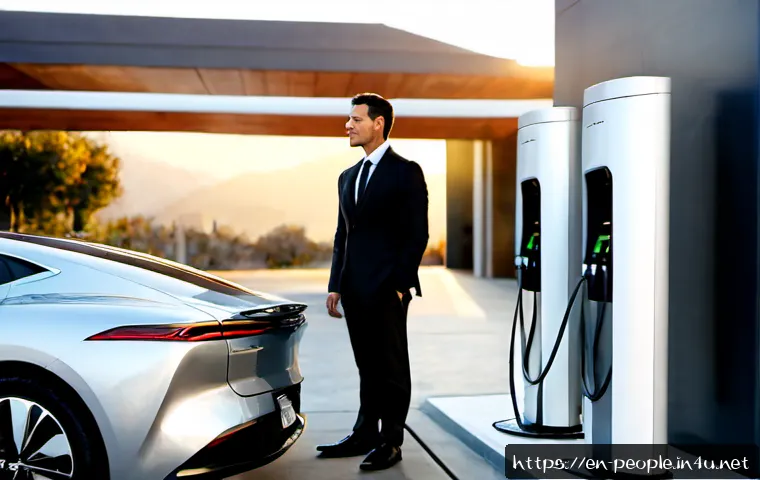
Tesla buyers should separate leadership news from practical ownership factors. Compare vehicle price, charging access, home installation costs, insurance, range needs, software features, and resale considerations before choosing a Tesla or another EV.
A Tesla can be worth buying, but the decision usually depends more on charging access, total ownership cost, and vehicle fit than on Elon Musk-related headlines.
Leadership news may affect how you feel about the brand, yet it cannot tell you whether the car will suit your commute, parking situation, or budget. For most shoppers, Tesla belongs on a practical EV comparison list rather than being an automatic yes or no.
Compare current vehicle pricing, lease-versus-buy options, insurance estimates, home charger installation quotes, and local electricity costs before making a commitment.
The right choice is the EV that fits your daily routine with the fewest charging and ownership surprises.
At a Glance
- Tesla suitability is primarily a charging and budget question, not only a question about public leadership.
- Vehicle pricing, trims, incentives, financing, lease offers, and availability can vary by market and change over time.
- A reliable home, workplace, or nearby public-charging routine should be confirmed before choosing any EV.
| Decision Area | Tesla Evaluation | Alternative EV Evaluation | What to Confirm |
|---|---|---|---|
| Upfront cost | Compare current purchase price, trim, financing, and lease terms. | Compare equivalent vehicle size, equipment, and payment structure. | Current offers, availability, and applicable incentives. |
| Charging routine | Check home, workplace, and nearby public charging options. | Check connector access, provider coverage, and charging memberships. | Local station locations, prices, and reliability. |
| Home charger cost | Assess equipment, permits, electrical work, and installation needs. | Use the same installation assumptions for a fair comparison. | Written electrician or home-charger installation quotes. |
| Insurance and service | Request a vehicle-specific insurance estimate and review service access. | Compare insurer quotes and local repair or service options. | Premiums, service-center distance, and repair planning. |
| Lease availability | Review mileage limits, fees, and end-of-lease conditions. | Compare similar lease structures, not just monthly payments. | Total lease obligation and return terms. |
The Short Answer: Should Leadership News Affect Your Tesla Purchase?
Yes, it can be part of your decision, but it should not replace a practical ownership review. Elon Musk is closely associated with Tesla’s public identity and corporate leadership, so buyers who care about brand perception may reasonably include that in their research. Still, a vehicle purchase is a long-term household decision. The more immediate questions are whether you can charge conveniently, manage the payment and insurance costs, and use the vehicle comfortably for your normal driving.
Separate Brand Perception From Daily Ownership Needs
It is reasonable to ask whether Tesla’s public image matches your preferences. That is a personal consideration, not a calculation that can be settled by headlines alone. A better approach is to separate your brand comfort level from your daily requirements: parking, charging access, passenger space, cargo needs, expected driving distance, and nearby service options.
If the brand question already makes you uncertain, compare Tesla with other EVs before requesting quotes. A side-by-side test drive, insurance estimate, and charging plan can make the decision feel less emotional and more concrete.
The Three Factors That Usually Matter More: Charging, Budget, and Vehicle Fit
First, confirm charging convenience. An EV can be easier to own when charging is available where you live, work, or regularly travel. Second, evaluate the complete budget rather than only the advertised vehicle price or lease payment. Third, check whether the vehicle fits your actual routine, including longer trips, parking constraints, and cargo expectations.
A common mistake is choosing an EV based mainly on headline range. Range matters, but it does not answer whether nearby charging is practical, whether your electricity rate works for your budget, or whether public charging fits your schedule.
What Tesla Offers EV Buyers Beyond the Elon Musk Story
Tesla produces battery-electric vehicles and also sells energy-related products and charging solutions. For an EV shopper, that means Tesla can be evaluated as part of a broader vehicle-and-charging decision rather than only as a brand in the news. The useful question is not whether the brand is prominent; it is whether its current vehicle, charging, and ownership arrangement fits your needs.
Vehicle Software, Charging Ecosystem, and the Buying Experience
Software features can matter to buyers who prefer a technology-focused vehicle experience. However, feature availability and vehicle specifications should be checked for the exact model and market you are considering. Do not assume that a feature discussed online is included on every trim or remains unchanged.
Charging access is equally important. Public charging availability and charging prices can vary by location, provider, time, and membership status. Before you treat charging access as a major advantage, look at the stations you would actually use on weekdays and on longer routes.
Where Buyer Expectations Should Be Checked Carefully
Current terms matter more than old reviews. Tesla availability, trims, incentives, pricing, and financing offers can change over time and differ by market. Confirm the current purchase or lease terms before comparing an offer with another EV.
Also check what is convenient in your area. A strong charging network elsewhere does not automatically solve your local charging needs. The same applies to service access: distance, appointment availability, repair arrangements, and roadside contingencies are practical issues worth considering before delivery.
Compare the Real Cost of Owning a Tesla With Other EVs
A fair EV cost comparison includes more than the vehicle’s purchase price. Whether you buy or lease, your total ownership picture can include payments, insurance, electricity, tires, maintenance, registration, and possible charging equipment expenses. Resale value is also uncertain, so it should be treated as a consideration rather than a guaranteed outcome.
Purchase Price, Lease Payment, Financing, and Incentive Checks
Start with the current out-the-door terms available to you. Compare the purchase price with financing costs, then compare that result with lease payments and lease conditions. A lower monthly payment may not mean a lower overall commitment if mileage limits, upfront costs, or end-of-lease obligations differ.
Incentives and eligibility can vary, so verify them independently before relying on them in your EV budget. If you are comparing a Tesla with another EV, use the same assumptions for down payment, loan term, annual driving, and trade-in treatment.
Home Charging Equipment, Electrician Quotes, and Electricity Rates
For many drivers, home charging is the most important convenience factor. But a home charging setup may require an electrical assessment, permits, equipment, and professional installation. It is not safe to assume that every garage, driveway, or parking space is ready for a charger.
Request more than one home-charger installation quote if possible. Ask what electrical work is included, whether permits are needed, and whether the quote covers equipment as well as installation. Then compare your local electricity rate with the fuel costs of the vehicle you drive now. Your own utility plan and charging timing may affect the result.
Insurance, Tires, Maintenance, and Potential Resale Considerations
Get a vehicle-specific EV insurance quote before you place an order. Insurance premiums are not fixed, and they can differ based on the driver, location, vehicle, and insurer. Do not rely on a general estimate from a forum or a headline.
Tires, maintenance, registration, and repair planning also belong in the budget. For resale, avoid treating any future value as certain. Market conditions, model changes, demand, and your vehicle’s condition can all affect what happens later.
Charging and Service: The Practical Tests Before You Buy
The most useful EV test is not a short drive. It is whether the vehicle can fit into your normal week without creating a charging burden. Map your home, workplace, common errands, and regular long-distance routes before you decide.
Can You Charge Reliably at Home, Work, or Nearby Public Stations?

Ask yourself where the vehicle will spend most nights. Homeowners with off-street parking may have a clearer path to home charging, subject to an electrical assessment and local requirements. Apartment residents should confirm whether building charging exists, whether installation is allowed, and whether nearby public charging is dependable enough for their routine.
Workplace charging can be helpful, but it should not be assumed to be available every day. Public charging can also work, yet its convenience depends on station location, pricing, access rules, and real-world availability.
Service-Center Distance, Repair Planning, and Roadside Contingencies
Check local service access before buying. Consider how far you would travel for scheduled service or an unexpected repair, and think through what transportation options you would have if the vehicle needed attention. This is especially important for buyers who live far from major population centers.
A simple question helps: Would this ownership setup still work during an inconvenient week? If the answer depends on several uncertain arrangements, compare other EVs or reconsider your charging plan.
Why Advertised Range Is Not a Complete Buying Metric
Range is one decision factor, not the full answer. Your needs may change with weather, driving speed, passenger load, cargo, route elevation, and charging access. Instead of asking only, “Is the range high enough?” ask, “Can I complete my usual trips and recharge without stress?”
For a longer commute or frequent road travel, plan a sample route using the places where you would realistically stop. For local driving, home or workplace charging convenience may matter more than the biggest range figure.
Which Buyer Profiles May Find a Tesla a Better Fit?
Tesla may fit buyers who are comfortable researching charging, comparing current ownership terms, and using an EV within a routine that supports reliable recharging. It may be less convenient for drivers whose parking, charging, or service situation remains unresolved.
Apartment Residents Versus Homeowners With Off-Street Parking
Homeowners with a suitable parking space can investigate a dedicated charging setup. The next step is an electrical assessment and professional installation quote, not an assumption that installation will be simple.
Apartment residents should focus on building policies and nearby public charging. If charging requires repeated detours or uncertain station availability, the ownership experience may not fit your schedule. A different EV or a different vehicle type may be more practical.
Long-Distance Drivers Versus Mostly Local Commuters
Long-distance drivers should examine charging access along regular routes, likely stop locations, and charging prices. Local commuters should still check charging, but a predictable overnight or workplace routine may simplify the decision.
In both cases, do not choose solely from a range number. Test your real travel pattern against the charging options you can access consistently.
Buyers Who Value Software Features Versus Buyers Prioritizing Traditional Dealer Support
Buyers who value software-related features should verify the current specifications of the exact vehicle they are considering. Buyers who prioritize a particular service or retail experience should compare local ownership support carefully across brands.
Neither preference is automatically better. The key is recognizing which one matters more to you before the purchase, rather than discovering a mismatch after delivery.
Selection Criteria and Comparison Summary
Before requesting a quote, test drive, or charger installation estimate, use this short checklist:
- Charging plan: Identify where you will charge most often and confirm access.
- Total payment: Compare purchase, financing, and lease terms using the same assumptions.
- Home installation: Request an electrical assessment and written charger-installation estimates.
- Insurance: Obtain current EV insurance estimates for the specific vehicle.
- Local support: Review service distance, repair planning, and roadside options.
- Vehicle fit: Check passenger space, cargo needs, driving distance, and software preferences.
For current vehicle terms, charging details, insurance options, and installation requirements, check the relevant official or provider pages before making a deposit.
Final Thoughts
Elon Musk’s role may influence how you view Tesla, but it cannot answer the everyday ownership questions for you. A Tesla can be a sensible EV choice when the charging routine, total cost, and vehicle fit are clear. Compare it against alternative EVs using current local terms rather than assumptions from older news or reviews. The strongest decision is usually the one supported by a realistic charging plan and a complete budget.
Helpful Information
Useful checks before an EV purchase: review your local electricity rate; compare public charging prices at stations you would use; ask an electrician whether permits or panel work may be needed; and request insurance quotes before finalizing a vehicle order. Keep copies of lease, financing, and installation estimates so you can compare each option on the same basis.
Important Notes
Vehicle prices, availability, incentives, financing promotions, lease rates, delivery timing, insurance premiums, public-charging conditions, utility rates, and installation requirements can change. Future effects of corporate leadership, public statements, or market conditions on vehicle value and ownership experience cannot be predicted with certainty. Confirm current details for your location and chosen vehicle before committing.
Frequently Asked Questions
Q1. Is a Tesla worth buying if I am concerned about Elon Musk’s influence on the brand?
A1. It can still be worth considering if the vehicle meets your charging, budget, and daily driving needs. Your comfort with the brand is a valid personal factor, but compare the practical ownership experience with other EVs before deciding.
Q2. How much should I budget for Tesla home charger installation in the United States?
A2. There is no single reliable amount because installation can depend on your electrical system, permits, equipment, parking layout, and local labor requirements. Request an electrical assessment and written quotes from qualified installers before setting a budget.
Q3. Is leasing a Tesla better than buying one for a first-time EV owner?
A3. It depends on your payment preference, expected driving distance, lease conditions, and how long you expect to keep the vehicle. Compare the full lease terms with purchase financing, including mileage limits, upfront costs, insurance, and end-of-lease requirements.