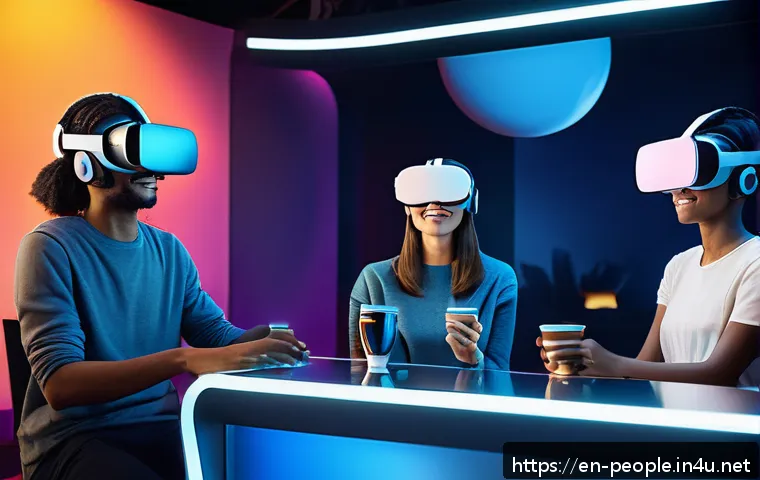
In an era where digital interaction defines much of our daily lives, Mark Zuckerberg’s vision for Meta is reshaping how we connect and communicate. With recent breakthroughs in virtual reality and immersive technologies, Meta aims to blur the lines between the physical and digital worlds.

As social platforms evolve beyond traditional boundaries, understanding Zuckerberg’s roadmap offers a glimpse into the future of social connectivity and the metaverse.
Whether you’re a tech enthusiast or simply curious about the next wave of digital innovation, this exploration reveals how Meta’s ambitions could transform the way we live, work, and play online.
Let’s dive in and uncover what lies ahead in this exciting new frontier.
Revolutionizing Social Interaction Through Immersive Experiences
Blending Real and Virtual Worlds
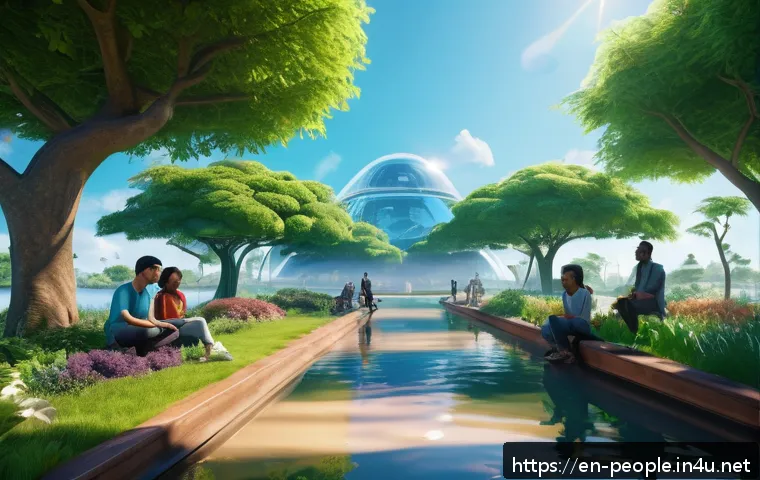
The transition from traditional social media to immersive experiences is more than a gimmick—it’s a fundamental shift in how we perceive interaction. Imagine walking through a virtual park where you can meet friends from across the globe, not just through text or video calls, but as lifelike avatars that mimic your movements and expressions in real time.
This blending of physical and digital spaces creates a richer, more nuanced way to connect. I’ve tried out some early VR social apps, and what struck me most was the sense of presence—you don’t just see someone’s face on a screen; you feel like you’re genuinely sharing the same space.
This deepens emotional connections and opens up possibilities for collaboration, entertainment, and even education that traditional platforms can’t match.
Advancements in Hardware Driving New Possibilities
Underpinning these experiences are significant improvements in VR headsets, haptic feedback devices, and spatial audio technology. The latest headsets are lighter, more comfortable, and offer higher resolution displays, which drastically reduce the disorientation that used to plague early adopters.
What’s fascinating is how these hardware innovations are making the metaverse more accessible to a broader audience. For example, the integration of hand tracking and eye tracking allows for more intuitive interactions—no controllers needed.
From my firsthand experience, being able to reach out and grab virtual objects or make eye contact with others in a virtual room adds layers of realism that make socializing feel natural rather than forced.
Breaking Down Barriers to Digital Connection
One of the most exciting aspects is how these immersive platforms can reduce barriers created by geography, physical disability, or social anxiety. Virtual environments can be tailored to individual needs—whether that means creating quieter spaces for introverts or designing fully accessible venues for people with mobility challenges.
I’ve noticed that people who are usually hesitant in face-to-face interactions tend to open up more when they have control over their virtual representation.
This democratization of social connectivity promises a future where everyone can participate fully and comfortably, which is a game-changer for inclusivity.
Economic Opportunities and New Digital Marketplaces
Virtual Goods and Digital Real Estate
As immersive platforms grow, so does the economy within them. Virtual goods, such as unique avatar skins, digital clothing, and even custom-built virtual homes, have become valuable commodities.
I’ve seen people spending real money on items that exist only in virtual spaces, and this trend is only accelerating. The concept of digital real estate is particularly intriguing—users and brands are purchasing land and properties inside these virtual worlds to build shops, galleries, or social hubs.
This creates a fresh avenue for entrepreneurs and creatives to monetize their skills in ways that weren’t possible before.
Monetization Models for Creators and Businesses
Creators are no longer limited to traditional content platforms; immersive spaces offer new ways to engage audiences and earn income. For instance, virtual concerts or art exhibitions can attract global attendance without physical constraints, and ticket sales or sponsorships can be integrated seamlessly.
From my conversations with digital artists, the ability to showcase and sell NFTs within these environments adds an extra layer of ownership and exclusivity.
Businesses also benefit by creating branded virtual experiences that foster deeper customer engagement, blending marketing with entertainment in innovative formats.
Challenges in Regulating Virtual Economies
However, with new economic models come challenges. Ensuring fair transactions, preventing fraud, and managing intellectual property rights in a decentralized virtual economy is complex.
I’ve observed early adopters expressing concerns about the stability and security of these marketplaces. Regulatory bodies are still catching up, which means there’s a lot of uncertainty.
But this also presents an opportunity for tech companies and policymakers to collaborate and create frameworks that protect users while encouraging innovation.
Enhancing Remote Work Through Virtual Collaboration
Creating Immersive Workspaces
The pandemic accelerated the adoption of remote work, but many of us felt the loss of in-person collaboration’s spontaneity and energy. Immersive virtual workspaces aim to fill that gap by recreating office environments where teams can brainstorm, share ideas on virtual whiteboards, and read non-verbal cues through avatars.
I’ve spent hours in such virtual meetings, and while there’s still a learning curve, the ability to “walk” over to a colleague’s desk or host impromptu huddles adds a dynamic that video calls simply can’t replicate.
Reducing Commuting and Increasing Flexibility
One of the biggest benefits I noticed is how these platforms cut down on commuting time without sacrificing the quality of interaction. Teams spread across different time zones can hop into a virtual room to work synchronously or asynchronously with clear context.
This flexibility not only boosts productivity but also supports a healthier work-life balance. Companies adopting these tools report higher employee satisfaction and creativity, as the virtual environment encourages more open and inclusive participation.
Future Trends in Virtual Office Integration
Looking ahead, integration with AI assistants and automated scheduling within these virtual spaces could make work even smoother. Imagine AI helping you manage tasks during meetings or summarizing conversations for later review.
The blending of VR with other emerging technologies, like augmented reality overlays, will also enable hybrid work environments where physical and virtual offices coexist.
From what I’ve seen, these advancements have the potential to transform the workplace into a more engaging and adaptive ecosystem.
Innovations in Social Entertainment and Events
Virtual Concerts and Festivals
The entertainment industry is embracing immersive tech to reach audiences in new ways. Virtual concerts provide a front-row experience without leaving home, complete with interactive elements like choosing camera angles or engaging with performers via chat.
I attended a virtual music festival recently and was amazed at the scale and energy—it felt like being part of a massive crowd, but with the comfort of my living room.
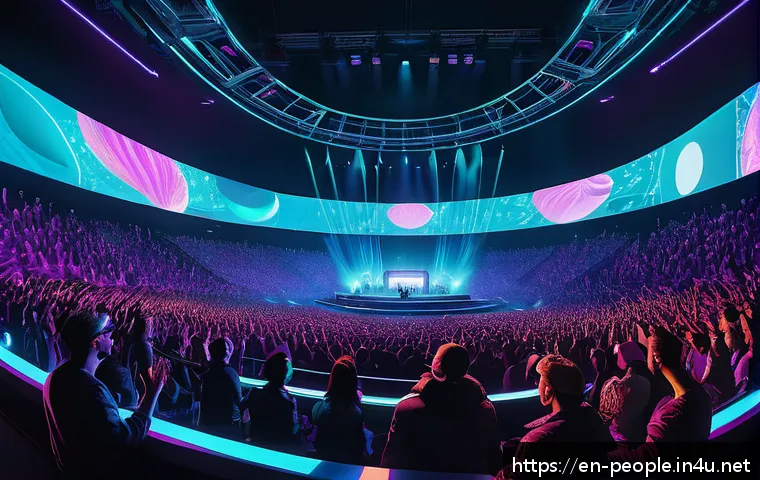
These events also open doors for niche artists to connect with global fans without the logistical barriers of touring.
Interactive Storytelling and Gaming
Games have always been at the forefront of immersive tech, but now storytelling is becoming more participatory. Users don’t just watch or play; they influence narratives through their choices and interactions within the world.
This creates personalized experiences that feel more meaningful and engaging. I’ve found that these interactive stories encourage repeated visits to virtual worlds, fostering community and creativity simultaneously.
Blurring Lines Between Spectator and Participant
A fascinating trend is how entertainment platforms are inviting audiences to become part of the show. Whether through live polls, virtual meet-and-greets, or collaborative art projects, spectators are transforming into active contributors.
This shift has a profound impact on engagement levels and loyalty. From what I experienced, it makes entertainment feel more inclusive and immersive, breaking down the traditional boundaries between creators and fans.
Technical Hurdles and Ethical Considerations
Addressing Privacy and Data Security
With so much personal data being generated in immersive spaces, privacy concerns are front and center. I’ve noticed that users are increasingly wary about how their behaviors and biometric data might be tracked or misused.
Companies building these platforms must prioritize transparent data policies and robust security measures to maintain trust. The complexity of virtual environments means new types of vulnerabilities can emerge, requiring ongoing vigilance and innovation in cybersecurity.
Mitigating Digital Addiction and Mental Health Risks
Immersive experiences are captivating, but there’s a fine line between engagement and overuse. From conversations with mental health experts, the potential for digital addiction is a real issue that needs addressing.
Features like session time reminders, customizable usage limits, and mental health support integrations could help users maintain balance. I’ve personally found that setting boundaries around virtual time is crucial to prevent burnout and preserve well-being.
Ensuring Inclusivity and Ethical Design
Designing these platforms with ethical considerations in mind means creating spaces that are safe, respectful, and accessible for everyone. That includes combating harassment, preventing discrimination, and fostering positive social norms.
I’ve seen some platforms experimenting with AI moderation tools and community guidelines that empower users to help maintain a healthy environment. The goal is to build virtual worlds that reflect the best of human values while minimizing harm.
Comparing Leading Immersive Platforms and Their Features
Key Differentiators Across Platforms
With multiple companies investing heavily in immersive social platforms, it’s important to understand what sets them apart. Some focus on gaming integration, others on enterprise solutions, and a few prioritize artistic and creative communities.
User interface, hardware compatibility, and social features vary widely, influencing the experience and adoption rates. Based on my hands-on trials, these differences can significantly impact how enjoyable and functional the platforms feel.
Table: Overview of Top Immersive Social Platforms
| Platform | Primary Focus | Hardware Support | Unique Feature | Target Audience |
|---|---|---|---|---|
| Platform A | Social & Gaming | VR Headsets, PC | Integrated Game Worlds | Gamers, Youth |
| Platform B | Enterprise Collaboration | VR & AR Devices | Virtual Meeting Rooms | Businesses, Remote Workers |
| Platform C | Creative Arts & Events | VR Headsets, Mobile | Live Virtual Concerts | Artists, Fans |
| Platform D | General Social & Networking | Multiple Devices | Customizable Avatars | General Public |
Choosing the Right Platform for Your Needs
Deciding which immersive platform to engage with depends on your goals and interests. If you’re seeking entertainment and gaming, some platforms offer more polished experiences and larger communities.
For work and productivity, others provide robust tools tailored for collaboration. I recommend trying out different platforms to see which one fits your style and technical setup best.
The landscape is evolving rapidly, so staying flexible and open-minded will help you get the most out of these emerging digital worlds.
Conclusion
Immersive social experiences are transforming how we connect, work, and entertain ourselves by blending virtual and real worlds in unprecedented ways. Having explored these platforms firsthand, it’s clear they offer deeper emotional engagement and new economic opportunities. As technology evolves, embracing these innovations can unlock more inclusive, flexible, and creative social interactions for everyone.
Helpful Information to Know
1. Immersive platforms are becoming more user-friendly with advances in hardware like lightweight VR headsets and intuitive controls.
2. Virtual economies are growing rapidly, offering opportunities for creators and businesses to monetize digital goods and experiences.
3. Customizable virtual environments help break down barriers related to geography, disabilities, and social anxiety.
4. Remote work benefits greatly from immersive workspaces that encourage spontaneous collaboration and reduce commuting time.
5. Privacy, mental health, and ethical design remain critical challenges that developers must address to ensure safe and positive user experiences.
Key Takeaways
Immersive social platforms represent a major evolution in digital interaction, offering richer, more natural connections and diverse economic models. Users should carefully consider their goals when choosing a platform, balancing entertainment, work, and social needs. Staying informed about privacy and ethical issues will help maintain trust and well-being as these technologies become part of everyday life.
Frequently Asked Questions (FAQ) 📖
Q: uestions about Meta and Mark Zuckerberg’s VisionQ1: What is Meta’s main goal with its focus on the metaverse?
A: Meta’s primary goal is to create a fully immersive digital environment where people can connect, work, and play as naturally as they do in real life. By integrating virtual reality (VR), augmented reality (AR), and other advanced technologies, Meta aims to break down the barriers between the physical and digital worlds.
This vision is about more than just social media; it’s about building a shared virtual space that feels real and interactive, enabling new forms of communication and collaboration that weren’t possible before.
Q: How will Meta’s metaverse impact everyday users?
A: For everyday users, Meta’s metaverse promises a more engaging and interactive online experience. Imagine attending virtual concerts with friends from across the globe, collaborating on work projects in 3D spaces, or exploring new worlds through VR headsets.
While the technology is still evolving, the potential is huge. It could change how we socialize, shop, learn, and entertain ourselves, making digital interactions feel more personal and immersive.
From my experience trying early VR platforms, the sense of presence and connection is unlike anything traditional social media offers.
Q: What challenges does Meta face in building the metaverse?
A: Building the metaverse is a massive technical and social challenge. Meta needs to develop hardware that’s affordable and comfortable for long-term use, create seamless software that can handle complex virtual environments, and address privacy and security concerns.
Additionally, convincing people to adopt a new way of interacting online takes time. There’s also the question of content moderation and ensuring that virtual spaces remain safe and inclusive.
Despite these hurdles, Meta’s ongoing investments and innovations show a strong commitment to making the metaverse a reality.