When you think about artists who truly redefine an era, who immediately comes to mind? For me, it’s undeniably Beyoncé. Her name alone conjures images of groundbreaking performances, genre-defying albums, and a profound cultural impact that resonates far beyond the music industry itself.
I remember seeing her early days, and it’s truly incredible how she’s consistently pushed boundaries, proving time and again that her artistry knows no limits.
She doesn’t just create music; she crafts experiences, sparking global conversations and setting new benchmarks for what a global superstar can achieve.
From spearheading visual albums to commanding stages like the recent Renaissance World Tour, which didn’t just break records but boosted entire economies, she’s a force of nature.
Seriously, her tours are like economic powerhouses, creating a “Beyoncé effect” that economists are actually studying! And let’s not forget her latest masterpiece, *Cowboy Carter*, which bravely explored country music’s Black roots and topped charts, showing an incredible willingness to evolve and challenge expectations.
It’s this continuous reinvention and deep connection to music history, especially Black music history, that makes her journey so endlessly fascinating.
If you’ve ever wondered how one artist can consistently innovate, inspire, and maintain such an incredible level of excellence for decades, then you’re in for a treat.
Let’s really dig in and accurately unravel her extraordinary musical journey.
You know, when I think about Beyoncé, it’s truly wild how she’s managed to stay at the absolute top of her game for so long, constantly evolving and blowing our minds.
I mean, from her Destiny’s Child days right up to *Cowboy Carter*, every chapter of her career feels like a masterclass in artistry and pure dedication.
It’s not just about the music with her; it’s the whole experience, the message, the unexpected twists and turns that keep us all hooked. She’s not just performing; she’s living out loud and inviting us to be a part of it, which is something I deeply admire.
From Houston Roots to Global Stardom
Honestly, when I think back to Beyoncé’s early days, it’s just astounding how far she’s come. We all remember Destiny’s Child, right? They were the queens of R&B, and even then, Beyoncé’s star power was undeniable. I vividly recall singing along to “Say My Name” and “Bills, Bills, Bills” with my friends, perfecting those harmonies in front of the mirror. The group started as Girl’s Tyme in Houston back in 1990, and after years of hard work, including a stint on *Star Search*, they signed with Columbia Records as Destiny’s Child in 1997. Their debut album was a moderate success, but *The Writing’s on the Wall* in 1999, which featured hits like “Say My Name” and “Bills, Bills, Bills,” catapulted them into superstardom. Watching her in that group, you could just *feel* she was destined for something even bigger. The way she commanded the stage, even as a teenager, was a clear sign of the icon she would become. It was never just about singing for her; it was about embodying the music, making you believe every word. That early foundation taught her resilience and shaped her into the powerhouse she is today.
The Destiny’s Child Era: Building a Foundation
Before the solo reign, there was the undeniable force that was Destiny’s Child. I mean, they weren’t just a girl group; they were *the* girl group. Their blend of R&B, pop, and hip-hop was fresh and exciting, and their hits were everywhere. “Survivor” especially, with its empowering lyrics, became an anthem for so many of us. It’s funny how, even as a group, Beyoncé always seemed to have that extra spark, that magnetic pull that made you watch her. The internal dynamics and lineup changes were well-documented, but through it all, she, Kelly Rowland, and Michelle Williams formed an iconic trio that truly left its mark on music history. They set the stage for her individual journey, showcasing her incredible vocal talent and burgeoning stage presence to the world, preparing her for the colossal solo career that was just around the corner. I honestly believe that period was crucial for her development, allowing her to hone her craft and understand the industry from the ground up.
Stepping Out Solo: A Star is Born
When Beyoncé finally embarked on her solo journey, it felt less like a departure and more like an inevitable ascent. Her debut solo album, *Dangerously in Love* (2003), was an absolute game-changer. I remember “Crazy in Love” dropping, and it was just… electric. The energy, the horns, her powerful vocals – it was instantly iconic. That album alone earned her five Grammy Awards and cemented her status as a solo pop-R&B powerhouse. It was a bold statement, showcasing her versatility and proving she could stand firmly in her own spotlight, beyond the shadow of one of the best-selling girl groups of all time. I felt like I was watching history unfold, and every single thereafter, from “Baby Boy” to “Naughty Girl,” just solidified that feeling. She wasn’t just a singer anymore; she was an artist with a clear vision, ready to conquer the world on her own terms.
Revolutionizing the Music Landscape with Visual Storytelling
Beyoncé truly reshaped how we consume music with her visual albums, and I’m telling you, it was a revelation. When she surprise-dropped her self-titled album *Beyoncé* in 2013, with a music video for *every single track*, my jaw hit the floor. No one had ever done that on such a grand scale, and it completely changed the game. It wasn’t just an album; it was an immersive experience, blending fashion, film, and social commentary into one powerful package. Then came *Lemonade* in 2016, which felt even more personal and profound. That album wasn’t just about marital betrayal and healing; it was a deep dive into the Black female experience in America, told with breathtaking visuals and raw emotion. I remember being glued to my screen, absorbing every frame, every lyric. It made you *feel* things, it made you *think*. Her ability to craft such a cohesive, narrative-driven experience through both sound and sight truly redefined artistic expression and set a new standard for album releases. It showed that music could be more than just something you listen to; it could be something you witness, something that sparks global conversations.
The Unexpected Drop: A New Era of Album Releases
The surprise release strategy of *Beyoncé* in 2013 was pure genius, if you ask me. It caught everyone off guard and created this incredible buzz that money just can’t buy. Suddenly, the industry had to rethink everything. It wasn’t about months of promo anymore; it was about impact and direct connection with fans. I remember the scramble to watch all the videos, trying to piece together the narrative she was creating. It felt revolutionary, like she was handing us a secret gift. This move not only showcased her innovative marketing but also proved that she was a trailblazer, unafraid to defy conventional industry norms. It truly amplified the “Beyoncé effect” in pop culture, making other artists sit up and take notes on how to truly engage their audience in the digital age. It’s safe to say she single-handedly recalibrated expectations for what an album release could, and perhaps *should*, be.
*Lemonade*: A Cultural and Emotional Masterpiece
*Lemonade* wasn’t just an album; it was a cultural event that resonated deeply with so many. For me, it was a powerful exploration of themes like infidelity, race, and female empowerment, presented with such raw vulnerability and artistic brilliance. The visual album component turned each song into a chapter of a larger, incredibly poignant story, inviting listeners to engage on multiple emotional levels. I recall discussions popping up everywhere, from casual chats to academic papers, dissecting every metaphor and visual cue. It highlighted the nuanced experiences of Black womanhood in a way that was both deeply personal and universally impactful. The collaborations were incredible too, and the way she blended genres seamlessly made it a truly groundbreaking work. It left an indelible mark, demonstrating how art can not only entertain but also provoke thought, challenge norms, and facilitate healing on a collective scale.
The Phenomenon of Live Performance: Beyond the Stage
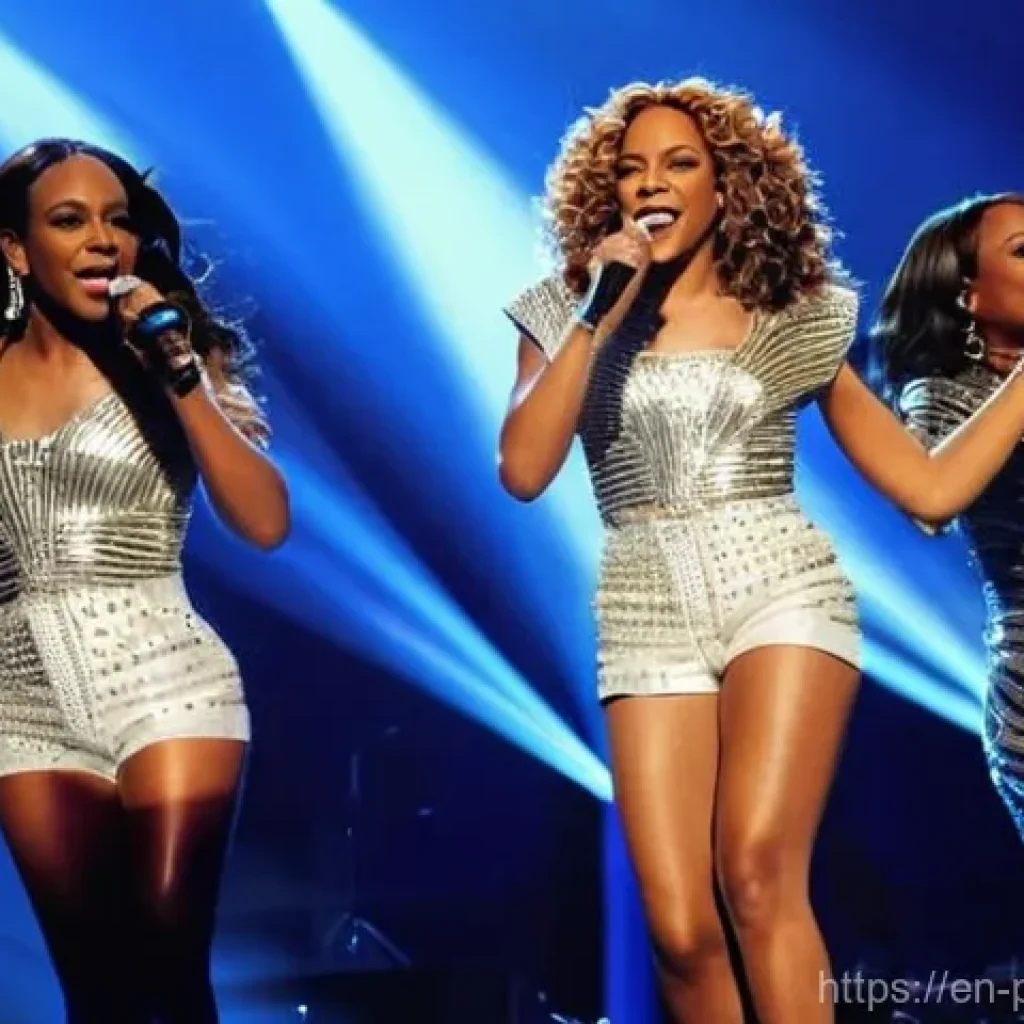
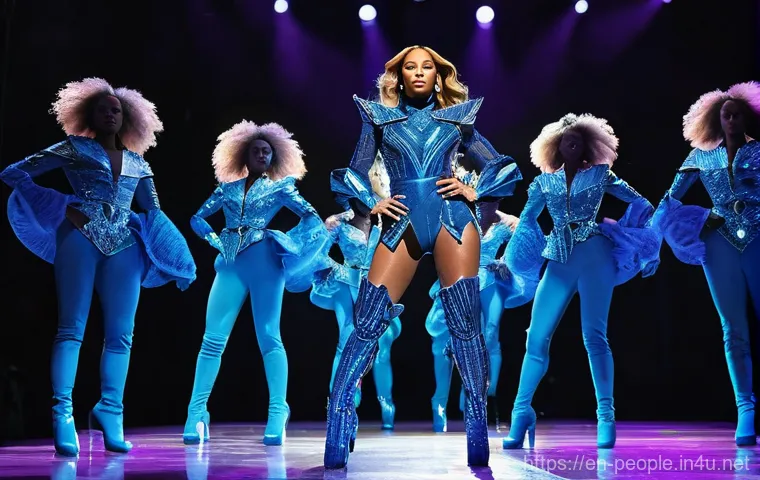
If you’ve ever had the chance to see Beyoncé live, you know it’s not just a concert; it’s an experience that transcends anything you’ve ever witnessed. I’ve been lucky enough to see her a few times, and each show felt like a spiritual awakening. Her vocal prowess, the precision of the choreography, the sheer scale of the production – it’s all just mind-blowing. She truly is the greatest living performer since Michael Jackson, and I don’t say that lightly. Think about her Coachella performance in 2018, affectionately dubbed “Beychella.” That wasn’t just a set; it was a historic tribute to Black culture, featuring a live band with over 100 dancers and a reunion with Destiny’s Child. It became the most-watched live Coachella performance and the most-watched live performance on YouTube of all time. Then, of course, the Renaissance World Tour! That tour was a spectacle, an absolute feast for the senses, and it didn’t just break records, it actually boosted economies in various countries, a phenomenon dubbed the “Beyoncé effect.” Economists were literally studying its impact on inflation! Her shows are meticulously crafted, combining her incredible voice with breathtaking visuals and intricate storytelling. It’s clear she pours her entire being into every moment, leaving audiences utterly captivated and inspired. It’s this dedication to her craft that makes her live shows an unparalleled masterclass in entertainment.
Commanding Stages and Breaking Records
Her ability to command any stage, from intimate venues to massive stadiums, is simply unparalleled. I remember watching her 2013 Super Bowl XLVII halftime show and just being in awe of the energy and power she exuded. It ranks among the most-watched halftime shows in history, and for good reason! Then, the Formation World Tour in 2016, which was groundbreaking as the first all-stadium tour by a female artist, grossing an incredible $260 million. But the Renaissance World Tour… wow. That was on another level entirely. It became the highest-grossing tour of all time by a Black artist, raking in $579.8 million from 2.77 million tickets sold across 56 shows. It was a testament to her enduring appeal and her capacity to create a global event that unified fans in celebration. She’s not just a performer; she’s a force of nature who consistently pushes the boundaries of what a live show can be, leaving an indelible mark on everyone who experiences it.
The “Beyoncé Effect” on Local Economies
It’s not every artist who can literally impact a country’s economy, but Beyoncé does! The “Beyoncé effect” or “Beyflation,” as some economists jokingly called it, refers to how her Renaissance World Tour boosted local economies. I remember reading about how her Stockholm dates contributed to Sweden’s higher-than-expected inflation rate in May! That’s just wild, right? It goes to show the immense purchasing power of her fanbase and the sheer scale of the events she creates. Her tour generated an estimated $4.5 billion boost to the American economy, a figure comparable to the economic impact of the 2008 Olympics on Beijing. People weren’t just buying tickets; they were booking hotels, eating at restaurants, and generally pouring money into the cities she visited. It’s a remarkable demonstration of her influence extending far beyond music into tangible economic benefits, proving she’s not just a cultural icon but an economic powerhouse.
Challenging Norms: The *Cowboy Carter* Era
Her latest masterpiece, *Cowboy Carter*, is just another example of her fearless artistry and willingness to challenge the status quo. I mean, tackling country music, a genre with deep but often overlooked Black roots? That’s Beyoncé for you, always pushing boundaries and sparking important conversations. I remember hearing about it and thinking, “Of course she would do this!” The album boldly explores country music’s Black origins, reclaiming a narrative that has historically been erased. It’s not just about making music; it’s about educating, celebrating, and asserting the rightful place of Black pioneers in American musical history. The album itself is a genre-blending marvel, incorporating elements of traditional country, pop, outlaw country, and Americana, all while being distinctly Beyoncé. It truly resonated with me because it felt like a powerful act of defiance and a celebration of heritage, reminding us all that history is often more complex and inclusive than we’re taught. This album isn’t just a musical statement; it’s a cultural strategy.
Reclaiming Narratives and Redefining Genres
*Cowboy Carter* is a powerful statement about reclaiming narratives and redefining what we think we know about music genres. I felt a real sense of pride listening to how she meticulously researched the African-American roots of country music, shining a light on contributions that have been ignored for far too long. The album is a journey through a reinvention of Americana, spotlighting the overlooked contributions of Black pioneers. She’s not just entering a genre; she’s challenging its very gatekeepers and forcing an education on its origins. The way she uses the imagery, like carrying the American flag and posing in a red, white, and blue rodeo queen outfit, is provocative and brilliant, asserting that Black identity is central to the American experience. It’s a bold, unapologetic declaration that has opened doors for more Black artists in the genre and sparked vital cultural conversations about identity and inclusion. This isn’t just music; it’s a movement.
The Impact on Country Music and Beyond
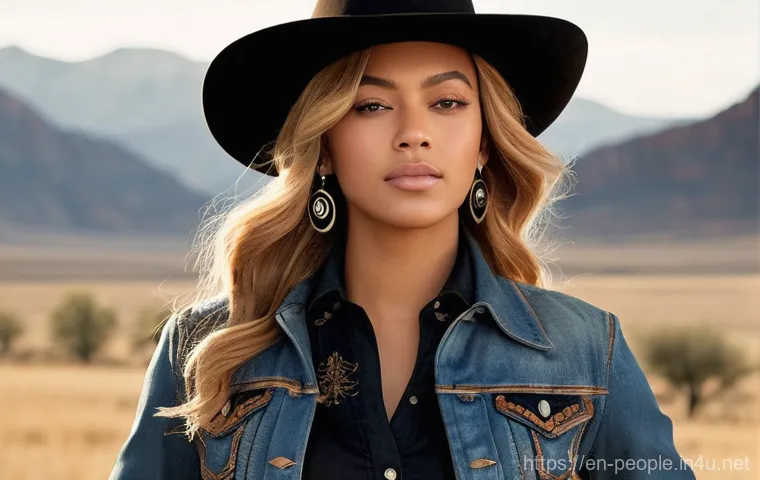
The impact of *Cowboy Carter* goes far beyond just album sales – although it did top charts globally! What truly excites me is how it’s igniting conversations and increasing the listenership of country music, especially by highlighting Black musicians’ place within the genre. I’ve seen so many people, myself included, delving deeper into the history of country, discovering artists who were previously overlooked. It’s also boosting the careers of rising country artists and making Western wear and culture more popular than ever. It’s a beautiful thing to witness an artist use their platform to educate and inspire, breaking down barriers and fostering a more inclusive musical landscape. This album has really challenged discriminatory roots in country music and is creating a renaissance in the space, creating more visibility for Black artists. It reminds us that music is a living, breathing thing, constantly evolving and reflecting our diverse experiences.
The Business Acumen of Queen Bey: Building an Empire
It’s truly incredible to see how Beyoncé has transformed her artistry into a multifaceted business empire. She’s not just a singer; she’s a shrewd businesswoman who understands the power of brand and ownership. I mean, remember when she took full ownership of Ivy Park after its initial partnership? That move showed her dedication to controlling her narrative and her ventures. Her company, Parkwood Entertainment, isn’t just a label; it produces movies, music, and even clothing. I’ve always been so impressed by her strategic partnerships with global brands like Pepsi and L’Oréal, which not only bring in revenue but also expand her reach and align with her values. She truly understands that building a strong brand is about consistent quality, authenticity, and a clear message. She’s built an empire that’s synonymous with excellence and quality, consistently delivering high-quality content and staying true to herself. It’s a masterclass in how to leverage immense talent into lasting financial success and cultural influence, something every aspiring entrepreneur can learn from. She’s definitely playing chess, not checkers.
Strategic Partnerships and Brand Expansion
Beyoncé’s approach to strategic partnerships is something I truly admire. She doesn’t just slap her name on anything; she chooses collaborations that make sense for her brand and amplify her message. Her $50 million deal with Pepsi and her long-standing relationship with L’Oréal are prime examples. These aren’t just endorsements; they are strategic alignments that expand her audience and enhance her global presence. Then there’s Ivy Park, her athleisure brand, which initially launched as a partnership with Topshop and later moved to Adidas. While some ventures have had their ups and downs, her willingness to take risks and evolve her business strategies is undeniable. She leverages her influence to create opportunities not just for herself, but often for the communities she champions, showcasing a powerful blend of commercial savvy and social consciousness. It’s a testament to her keen understanding of the market and her ability to consistently remain relevant and impactful.
The Power of Ownership and Creative Control
One of the most defining aspects of Beyoncé’s business strategy is her relentless pursuit of ownership and creative control. She established Parkwood Entertainment in 2008, which gives her the power to produce her own music, films, and tours. I think this is absolutely crucial for any artist wanting to truly shape their legacy. By owning her masters and producing her projects, she maintains full control over her artistic vision, which is something many artists struggle to achieve. This level of autonomy allows her to execute groundbreaking projects like her visual albums and the Renaissance World Tour exactly as she envisions them, without external interference. It’s about more than just money; it’s about preserving artistic integrity and ensuring her message is conveyed authentically. This dedication to self-sufficiency is a huge part of why she’s managed to stay so innovative and powerful for so long. It truly showcases her expertise and authority in not just the music business, but the business of being Beyoncé.
Beyoncé’s Enduring Cultural Impact and Legacy
When you talk about artists who have left an undeniable mark on culture, Beyoncé is always right there at the top of the list. Her influence stretches far beyond just music; she’s a trendsetter, a social activist, and a symbol of empowerment for so many, myself included. I remember seeing her perform and thinking, “This is what black excellence looks like.” She has this incredible ability to elevate her music, her performances, and her message year after year. From challenging gender norms to championing Black identity and LGBTQ+ rights, she uses her platform to spark important conversations and foster inclusivity. Her impact on fashion and beauty, for example, is huge – she makes eyelashes a must-have and sets trends with every appearance. It’s not just about her personal achievements; it’s about how she consistently lifts others and creates spaces for diverse voices. She’s truly one of the most culturally significant figures of the 21st century, constantly reinventing herself while staying true to her core values.
A Voice for Empowerment and Representation
What truly sets Beyoncé apart for me is her unwavering commitment to using her voice for empowerment and representation. She consistently celebrates Black identity, women, and marginalized communities in her music and artistic projects. I remember the powerful imagery and messages in “Formation” and how it resonated with so many, becoming an anthem for Black pride. She’s not afraid to tackle complex social issues, and she does it with such grace and power. It’s inspiring to see how she consistently amplifies voices that often go unheard, fostering a sense of community and belonging. Artists like Ariana Grande have even credited Beyoncé for helping to make the music industry a safer and more welcoming space. Her legacy isn’t just about the awards she’s won; it’s about the positive impact she’s had on countless individuals and the cultural landscape as a whole, encouraging us all to embrace our true selves and stand tall.
Innovator, Icon, and Philanthropist
Beyond the groundbreaking albums and electrifying performances, Beyoncé has cemented her status as an innovator, an icon, and a dedicated philanthropist through her BeyGOOD foundation. I’ve always admired how she leverages her immense success to give back and make a tangible difference in the world. From supporting education initiatives to providing aid during natural disasters, her philanthropic efforts are a significant part of her legacy. She’s one of those rare artists who constantly reinvents herself, daring to explore new genres and push artistic boundaries, which I think is incredibly brave. She’s credited with shaping popular music and is widely regarded as one of the most influential artists of all time. Her journey is a testament to the power of authenticity, hard work, and a clear vision. She’s not just making music; she’s making history, and I, for one, can’t wait to see what she does next. Her impact is a continuous ripple effect, inspiring generations to come.
| Album/Era | Key Innovation/Impact | Cultural Significance | My Personal Takeaway |
|---|---|---|---|
| Destiny’s Child Era (e.g., *The Writing’s on the Wall*, *Survivor*) | One of the best-selling girl groups of all time; anthems of female empowerment. | Set the stage for Beyoncé’s individual stardom; redefined girl group dynamics. | Those songs were the soundtrack to my youth, teaching me about independence and strength. |
| *Dangerously in Love* (2003) | Phenomenal solo debut; established her as a global R&B/pop superstar. | Chart-topping singles like “Crazy in Love” and “Baby Boy” became instant classics. | This is where I realized she wasn’t just *a* star, but *the* star. The energy was palpable. |
| *Beyoncé* (2013) | Pioneered the visual album format with a video for every song; surprise release strategy. | Revolutionized album releases and set new standards for artistic presentation. | I remember the collective gasp online! It literally changed how I thought about music releases. |
| *Lemonade* (2016) | Deep dive into Black female experience, infidelity, and healing; cinematic visual album. | Sparked widespread discourse on social issues, identity, and female empowerment. | This album hit me differently; it felt so raw, so personal, and incredibly brave. |
| *Renaissance* (2022) | Celebration of club culture and Black queer pioneers of dance music. | Honored house music roots and provided an escape through joyous, danceable tracks. | This album brought pure joy, making me want to dance and celebrate the origins of the music. |
| *Cowboy Carter* (2024) | Explored and reclaimed Black roots in country music; genre-bending masterpiece. | Challenged historical narratives and diversified the country music landscape. | Her fearless exploration of country blew me away, educating and entertaining at the same time. |
글을마치며
Reflecting on Beyoncé’s incredible journey, it’s truly astounding to see how one artist can consistently redefine an entire industry while staying so authentically herself. From her early days in Destiny’s Child to the groundbreaking visual albums and the cultural reset of *Cowboy Carter*, she’s not just a musician; she’s a visionary who constantly inspires us to think bigger and challenge the status quo. Her dedication to her craft, her unwavering commitment to empowering her audience, and her sharp business acumen make her an unparalleled force in popular culture. It’s been a privilege to witness her evolution, and I honestly can’t wait to see what brilliant move she makes next.
알아두면 쓸모 있는 정보
1. Beyoncé’s Philanthropic Efforts: Beyond the music, Beyoncé actively contributes through her BeyGOOD foundation, which has supported numerous causes from education to disaster relief, showing her deep commitment to social responsibility. She’s truly about giving back.
2. The Power of Surprise Drops: Remember how her 2013 self-titled album and the “Formation” single broke the internet? She perfected the “surprise drop” strategy, proving that direct, unexpected engagement with fans can be far more impactful than traditional long-form promotions.
3. Economic Impact of Tours: Her “Renaissance World Tour” wasn’t just a record-breaker for her bank account; it actually boosted local economies and influenced inflation rates in some countries, leading to the coining of terms like “Beyflation.” Talk about influence!
4. Creative Control is Key: Through Parkwood Entertainment, Beyoncé maintains almost complete creative and business control over her projects. This ownership allows her to execute her ambitious artistic visions without external interference, which is a huge lesson for any creative professional.
5. Genre-Bending as a Statement: With albums like *Renaissance* and *Cowboy Carter*, she deliberately explores and reclaims genres, highlighting the often-overlooked contributions of Black artists and sparking vital conversations about music history and cultural identity. She’s truly teaching while entertaining.
중요 사항 정리
Beyoncé’s career is a masterclass in artistic evolution, strategic business, and cultural impact. She’s consistently pushed boundaries, from her trailblazing visual albums and surprise releases to her fearless exploration of genres like country and house music. Her influence extends far beyond entertainment, demonstrating remarkable business acumen through Parkwood Entertainment and leaving a tangible economic footprint with her tours. More importantly, she utilizes her massive platform for empowerment and representation, championing diverse voices and challenging societal norms, cementing her legacy as a true innovator, icon, and a powerful force for change.
Frequently Asked Questions (FAQ) 📖
Q: How does Beyoncé consistently manage to reinvent herself and stay at the forefront of the music industry for decades?
A: This is a question I get all the time, and honestly, it’s one of the most fascinating aspects of her career! From what I’ve observed, Beyoncé’s secret sauce isn’t really a secret; it’s a relentless dedication to evolution and mastery.
She doesn’t just chase trends; she sets them, often looking back at music history to propel us forward. Think about her early solo work, then the groundbreaking visual albums like “Beyoncé” and “Lemonade,” which completely changed how we consume music.
She revived the album and music video as art forms and popularized the concept of surprise album drops. More recently, “Renaissance” brought us into the world of ballroom culture and dance, and now “Cowboy Carter” is boldly exploring country music’s Black roots, making the genre more accessible to new audiences and driving important cultural conversations about Black musicians’ place within it.
It’s not just the genre shifts; it’s also her innovative artistic choices, like pioneering staccato rap-singing, which became a defining sound of the 21st century.
I think her willingness to take risks, blend genres, and always deliver a top-tier performance, whether it’s on stage or through her visual storytelling, keeps everyone on their toes.
She’s constantly challenging what a global superstar can be, and honestly, it’s just inspiring to witness.
Q: We hear about a “Beyoncé effect” on local economies. How do her tours and projects impact more than just the music charts?
A: Oh, the “Beyoncé effect” is absolutely real, and it’s something economists are actually studying! I remember hearing about it during the Renaissance World Tour, and it was truly mind-blowing.
Her tours aren’t just concerts; they’re massive economic events. For instance, the Renaissance World Tour alone grossed nearly $580 million and was Live Nation’s top-grossing tour of 2023, attracting millions of fans.
We saw this firsthand in places like Sweden, where her shows actually contributed to an increase in the national inflation rate due to all the spending on hotels and related services.
Imagine, a single artist influencing a country’s economy! Beyond the direct ticket sales, fans travel, they book hotels, they dine at local restaurants, they shop for merchandise and themed outfits – like all the Western wear that became popular thanks to “Cowboy Carter.” This influx of “fandom travelers” brings significant revenue to cities, benefiting small businesses and boosting local tourism.
It’s not just about money either; her work also inspires cultural conversations, influencing fashion, social justice, and even academic discussions, with university courses dedicated to her impact.
It’s truly amazing to see how one artist can have such a ripple effect that extends far beyond entertainment.
Q: What makes her latest album, “Cowboy Carter,” such a significant statement in her career and for music history?
A: “Cowboy Carter” feels like a pivotal moment, not just for Beyoncé but for music itself. From my perspective, this album is a powerful reclamation and celebration.
It’s titled after a character, “Cowboy Carter,” inspired by the original Black cowboys of the American West, highlighting how the term “cowboy” was historically used in a derogatory way for skilled former slaves.
With this album, Beyoncé isn’t just dabbling in country music; she’s diving deep into its Black roots, reminding us that the genre has always had diverse origins that were often overlooked or buried.
The album explores and reinvents Americana, showcasing the overlooked contributions of Black pioneers to American musical and cultural history. It’s an eclectic blend of styles rooted in country, influenced by her Texas upbringing, and features incredible rising Black country artists alongside icons like Dolly Parton and Willie Nelson.
I think what’s so impactful is how “Cowboy Carter” is forcing the music industry and audiences to confront and appreciate the genre’s true, multicultural foundations.
It’s more than just an album; it’s a cultural shift, a tipping point that’s making country music more mainstream globally and showing an incredible willingness to evolve and challenge expectations, which is something she does so well.
It truly cements her legacy as an artist who constantly pushes boundaries and champions inclusivity.