Have you ever thought about the immense power of one individual to truly change the world? It’s a question that often deeply resonates with me, especially when I think about the remarkable life of Nelson Mandela.
His name alone evokes a feeling of profound respect and admiration, a testament to his unparalleled courage, unwavering determination, and incredible spirit of reconciliation in the face of daunting adversity.
The journey of South Africa, intricately woven with his decades-long fight for justice and equality, isn’t just a chapter in history; it’s a powerful narrative about resilience, forgiveness, and the triumph of the human spirit.
In a global landscape that sometimes feels increasingly divided and challenging, Mandela’s transformation from political prisoner to a beacon of hope offers more than just inspiration – it provides crucial lessons that are incredibly pertinent to the societal issues we grapple with today.
His enduring message of unity, peace, and the persistent pursuit of a fairer world feels undeniably vital, don’t you agree? If you’re looking for insights into transformative leadership, the essence of perseverance, and how one person can ignite monumental change, then his story is truly an indispensable source of wisdom.
Let’s explore the extraordinary legacy of this global icon and discover the profound ways he shaped, and continues to shape, our collective future.
From Robben Island to a Rainbow Nation: An Unbreakable Resolve
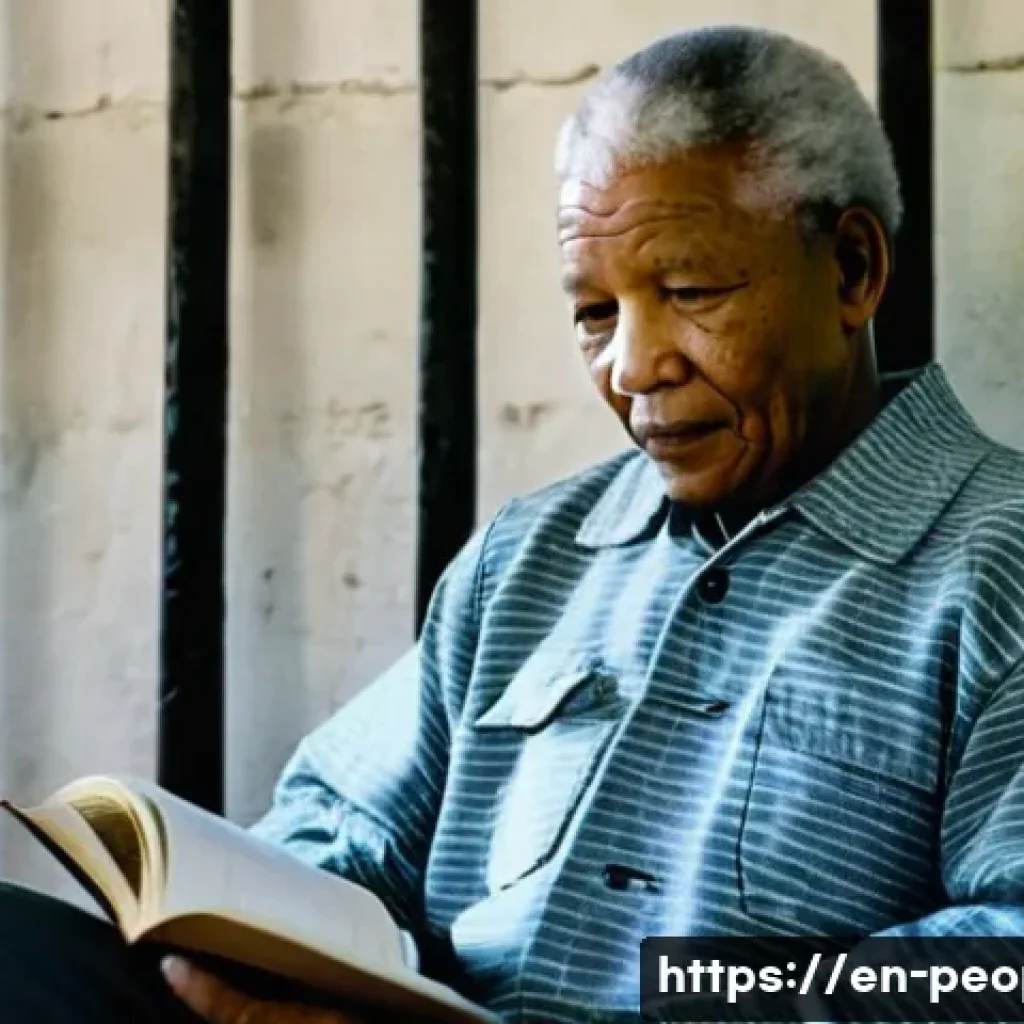
When I first delved into Nelson Mandela’s story, I honestly found myself struggling to comprehend the sheer depth of his resilience. Imagine spending 27 years incarcerated, much of it in a tiny cell on Robben Island, yet emerging not with bitterness, but with an even more profound commitment to unity and reconciliation.
It’s a testament to the human spirit that truly defies explanation, isn’t it? I often think about what must have sustained him during those long, lonely years.
Was it an unshakeable belief in justice? An unwavering vision for a free South Africa? Perhaps it was a potent combination of both, coupled with an inner strength that few of us can truly fathom.
His journey from a political prisoner, isolated from his family and the world, to the leader who guided his nation out of the dark shadow of apartheid, feels less like history and more like an epic saga.
It’s not just a South African story; it’s a universal narrative about perseverance against seemingly insurmountable odds, demonstrating that true change can indeed come from the most unlikely of places and circumstances.
His ability to transform his personal suffering into a catalyst for national healing is, in my view, one of the most powerful examples of transformative leadership our world has ever witnessed, and it constantly inspires me to look beyond immediate frustrations.
The Iron Will Forged in Solitude
I’ve often pondered how someone endures decades of isolation and emerges with a spirit unbroken, even strengthened. Mandela’s time on Robben Island wasn’t just a period of imprisonment; it was, in many ways, a crucible that refined his vision and resolve.
He used those years, despite the harsh conditions, to strategize, to learn Afrikaans – the language of his oppressors – and to communicate with fellow prisoners, fostering a sense of solidarity and purpose.
It truly makes you wonder about the power of the mind and spirit when faced with extreme adversity. He wasn’t just surviving; he was meticulously planning for a future he couldn’t see but profoundly believed in.
This intentional cultivation of inner strength and strategic thinking during his confinement is something that resonates deeply with me, highlighting that even in the darkest moments, we have the capacity to grow and prepare for what’s next.
It shows that true leadership isn’t always about visible action; sometimes, it’s about the quiet, internal work that nobody sees.
Charting a Course Through Uncharted Waters
The transition from political prisoner to president was, to put it mildly, unprecedented. I remember reading about the negotiations, the delicate balance he had to strike between justice for past wrongs and the imperative of building a united future.
It must have been incredibly challenging to ask a nation, both the oppressed and the oppressors, to look beyond decades of pain and distrust. Yet, he did it with an extraordinary blend of firmness and empathy.
His commitment to a peaceful transition, even when faced with violence and provocation, was a masterclass in moral leadership. It felt like he was constantly walking a tightrope, yet he never lost sight of the ultimate goal: a democratic, non-racial South Africa.
This ability to maintain such clarity of purpose amidst chaos is a quality I deeply admire and often try to emulate in my own smaller challenges, reminding me that the vision is always more important than the immediate obstacles.
The Alchemy of Forgiveness: Healing Scars and Building Bridges
Let’s be honest, forgiveness is hard. Really, really hard. Especially when you’ve endured unimaginable injustices, like Nelson Mandela and the people of South Africa.
Yet, what stands out to me most powerfully in his story is not just his fight for justice, but his astounding capacity for reconciliation. It’s almost an alchemy, isn’t it?
Taking the bitter elements of past conflict and transforming them into the foundational gold of a new, united nation. I remember feeling a lump in my throat when I learned about the Truth and Reconciliation Commission (TRC).
It wasn’t about vengeance; it was about acknowledging the past, offering a platform for victims to tell their stories, and for perpetrators to confess and seek amnesty.
This wasn’t a simple ‘forget and forgive’ approach; it was a deeply intentional, often painful, process of confronting the truth to pave the way for healing.
It truly changed my perspective on what’s possible when societies grapple with deep-seated historical wounds. It made me realize that true peace often begins not with forgetting, but with a courageous remembering, coupled with a genuine desire to move forward, together.
The Power of Truth and Reconciliation
The Truth and Reconciliation Commission, established after apartheid, was a concept that initially seemed almost impossible to pull off successfully. How do you heal a nation so deeply fractured by decades of systemic oppression and violence?
Mandela’s vision for the TRC was radical: instead of Nuremberg-style trials, it offered a chance for perpetrators to confess their crimes publicly in exchange for amnesty, while victims were given a space to share their experiences.
I’ve often thought about the sheer emotional weight of those proceedings, the bravery of those who spoke, and the difficult choices made by those who listened.
It truly represented an unparalleled experiment in restorative justice, seeking to mend the social fabric rather than simply punish. It taught me that sometimes, the path to healing isn’t through absolute retribution, but through acknowledging pain and building understanding, no matter how uncomfortable.
Beyond Retribution: A Path to Unity
One of the most profound lessons I’ve personally taken from Mandela’s approach to post-apartheid South Africa is his unwavering commitment to unity over retribution.
After decades of fighting against the apartheid regime, it would have been understandable, perhaps even expected, for him to seek revenge or to marginalize those who had perpetuated the system.
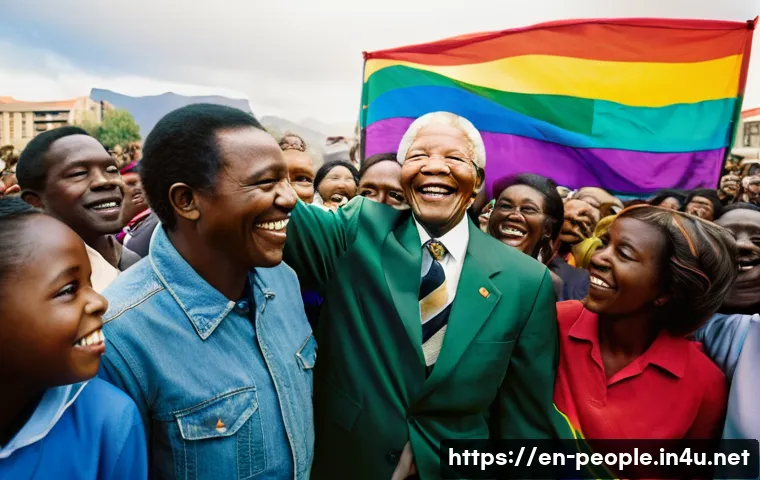
Instead, he extended an olive branch, emphasizing the creation of a “Rainbow Nation” where all people, regardless of their past, had a place. This wasn’t just political strategy; it felt like a deeply held moral conviction.
His famous gesture of wearing the Springbok rugby jersey – a symbol of white South African power – during the 1995 Rugby World Cup final was a masterstroke, a moment that transcended sport and spoke volumes about his vision for a unified country.
It showed me that true strength isn’t about crushing your opponents, but about lifting everyone up, even those who once stood against you.
Leadership Redefined: Power Through Principle, Not Domination
When I reflect on what it means to be a true leader, Nelson Mandela’s example invariably comes to mind. He completely redefined the concept of power, moving it away from domination and towards principled service.
His leadership wasn’t about imposing his will; it was about inspiring a collective vision, empowering others, and demonstrating an unwavering moral compass.
I often find myself contrasting his approach with many of today’s leaders who seem more focused on personal gain or maintaining control. Mandela, on the other hand, consistently placed the needs of his nation and its people above his own.
This selflessness, coupled with his extraordinary courage to stand for what was right, even at immense personal cost, is what truly sets him apart. He didn’t just lead by rhetoric; he led by example, embodying the very ideals he championed.
It’s a powerful lesson for all of us, whether we’re leading a company, a team, or just our own lives: true influence comes from integrity and a genuine commitment to a greater good.
The Statesman’s Heart: Empathy in Action
Mandela’s leadership was deeply rooted in empathy, a quality I believe is absolutely crucial for any effective leader. He possessed an incredible ability to understand and connect with people from all walks of life, even those who had been his jailers or political adversaries.
This wasn’t a superficial politeness; it was a genuine effort to see humanity in everyone, to understand their fears and aspirations. I often think about how he approached negotiations, not just with political strategy, but with a profound understanding of the human elements involved.
This empathetic approach allowed him to build trust across deep divides, convincing people that his vision for a united South Africa was genuinely inclusive.
It truly made me realize that leadership isn’t just about making decisions; it’s about understanding the people those decisions affect, and leading with your heart as much as your head.
Leaving a Legacy, Not Just a Footprint
Many leaders leave a footprint, a mark on history, but Mandela left an entire legacy that continues to inspire globally. His willingness to step down after a single term as president, despite immense popularity, was another powerful demonstration of his commitment to democratic principles over personal power.
He understood that true leadership is about building institutions, fostering a culture of democracy, and ensuring a peaceful transition of power, rather than clinging to it.
This foresight and humility, in my opinion, are hallmarks of truly great leadership. He wasn’t just thinking about his own time in office; he was thinking about the generations to come, ensuring that the foundations of a just society were firmly laid.
It’s a powerful reminder that our actions today can have ripples far into the future, and that genuine impact comes from building something sustainable and greater than ourselves.
Igniting a Legacy: Mandela’s Enduring Flame in a Fragmented World
Even decades after his release and years after his passing, Nelson Mandela’s legacy continues to burn brightly, offering much-needed illumination in what sometimes feels like an increasingly fragmented and polarized world.
It’s almost uncanny how relevant his messages of unity, perseverance, and forgiveness remain, even as we grapple with new societal challenges. I often find myself thinking, “What would Mandela do?” when faced with seemingly intractable conflicts, whether on a global stage or even in smaller community discussions.
His life wasn’t just a historical event; it was a living example, a blueprint for how to approach complex problems with both moral conviction and practical wisdom.
He showed us that even when the world seems to be pulling apart, there are always pathways toward understanding and common ground, provided we have the courage and the heart to seek them out.
It’s a profoundly hopeful message that, I believe, we desperately need to remember today.
Mandela’s Message: Timeless Wisdom for Modern Challenges
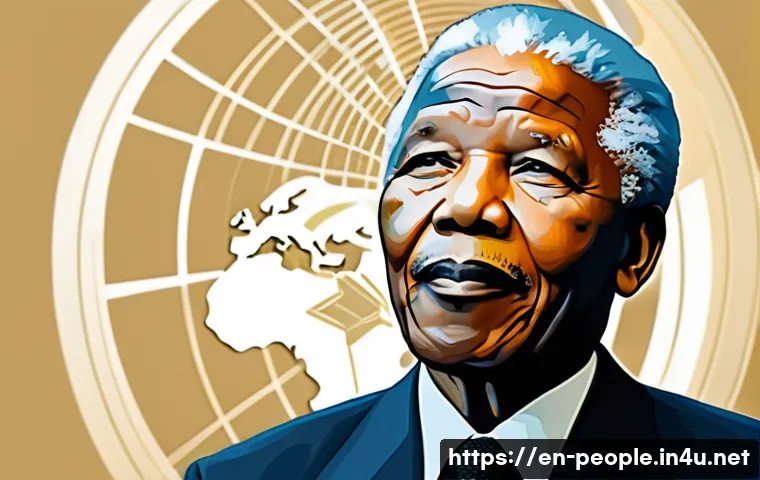
The world today, with its geopolitical tensions, social inequalities, and deep ideological divides, could certainly benefit from revisiting Mandela’s core tenets.
His insistence on dialogue over violence, his pursuit of inclusive governance, and his unwavering belief in the inherent dignity of every human being are not just historical footnotes; they are incredibly practical tools for navigating our current landscape.
I often reflect on how he managed to unite a nation deeply scarred by racial hatred, and wonder how those same principles could be applied to heal divides in our own communities.
His wisdom transcends specific contexts, offering a universal appeal to our better angels. It truly highlights that while technology changes rapidly, fundamental human challenges often remain the same, and so do the foundational solutions rooted in compassion and justice.
The Ripple Effect: Inspiring Global Activism
Mandela’s fight resonated far beyond South Africa’s borders, inspiring anti-apartheid movements and civil rights activists across the globe. His story became a symbol of hope and resistance for anyone struggling against oppression.
I’ve personally felt a profound connection to his journey through various social justice movements I’ve followed over the years. His struggle showed the world that individual actions, when fueled by conviction and collective will, can indeed challenge and eventually dismantle entrenched systems of injustice.
The global outcry for his release and the subsequent worldwide celebration of his freedom demonstrated the immense power of collective advocacy. It’s a powerful reminder that we are all interconnected, and a fight for justice anywhere is a fight for justice everywhere, encouraging me to never underestimate the impact of speaking up.
The Global Echo: How One Man’s Fight Reshaped the World Stage
It’s genuinely fascinating to consider how one person’s relentless pursuit of justice in a specific corner of the world could reverberate so powerfully across the entire global stage.
Nelson Mandela’s struggle wasn’t just a domestic issue for South Africa; it became a defining moral and political challenge for the international community.
I remember learning about the global sanctions, the divestment campaigns, and the countless protests held in cities worldwide, all demanding his release and the end of apartheid.
It demonstrated a rare moment of near-universal condemnation against a human rights atrocity, proving that collective international pressure can indeed force profound change.
His very existence, imprisoned for decades, served as a constant, undeniable rebuke to the conscience of the world, pushing nations and individuals to take a stand.
His eventual release and the dismantling of apartheid weren’t just a victory for South Africa; they were a triumph for human rights and international solidarity everywhere, fundamentally reshaping how we view collective moral responsibility.
International Solidarity Against Injustice
The worldwide movement against apartheid and for Mandela’s release was a truly remarkable display of international solidarity. Governments, NGOs, artists, and ordinary citizens from every continent joined forces, organizing boycotts, protests, and cultural events to put pressure on the South African government.
I’ve often thought about the sheer scale of that coordinated effort and how it speaks to a shared human yearning for justice. It felt like the world was, for once, truly united against a clear moral wrong.
This global coalition not only helped bring about the end of apartheid but also set a precedent for how international pressure could be mobilized against human rights abuses in other parts of the world.
It showed me that even when issues seem distant, a shared sense of humanity can bridge geographical and cultural divides to champion fundamental rights.
A Beacon for Human Rights Across Borders
Mandela’s legacy continues to serve as an enduring beacon for human rights activists and organizations around the globe. His life story has become synonymous with the struggle for dignity, equality, and self-determination.
I’ve seen countless instances where his name is invoked in debates about political prisoners, racial discrimination, and democratic transitions in various countries.
His experiences provided a powerful template for non-violent resistance and the moral imperative of fighting for freedom. He showed us that the fight for human rights is a universal one, transcending national borders and cultural differences.
It inspires me to believe that while the battles for justice may change, the principles he embodied remain a powerful force for good, encouraging continuous vigilance and advocacy wherever injustice rears its head.
A Blueprint for Hope: Practical Wisdom for Today’s Challenges
If there’s one thing I’ve truly taken away from Nelson Mandela’s extraordinary life, it’s that his story isn’t just history; it’s a living, breathing blueprint for navigating the complex challenges we face today.
His practical wisdom – born from immense suffering and ultimate triumph – offers tangible lessons in perseverance, negotiation, and the enduring power of hope.
I often find myself reflecting on his ability to transform adversity into opportunity, to see beyond immediate conflicts, and to steadfastly pursue a vision of a more just and equitable world.
In an era where cynicism can easily take root, Mandela’s unwavering optimism, even in the darkest of times, serves as a powerful antidote. He teaches us that even when the path ahead seems impossible, there is always a way forward if we commit to dialogue, empathy, and an unshakeable belief in our shared humanity.
It’s a testament to the idea that true leadership isn’t about having all the answers, but about inspiring others to find them together, fostering a collective resilience that can overcome anything.
| Key Milestone | Year(s) | Significance |
|---|---|---|
| Arrest and Imprisonment | 1964 | Sentenced to life imprisonment; became a global symbol of resistance against apartheid. |
| Release from Prison | 1990 | After 27 years, his release signaled the imminent end of apartheid and a new era for South Africa. |
| Nobel Peace Prize | 1993 | Awarded jointly with F.W. de Klerk for their work in peacefully ending apartheid. |
| First Democratic President | 1994 | Elected as the first president of a democratic, post-apartheid South Africa. |
| Formation of TRC | 1995 | Established the Truth and Reconciliation Commission to address past human rights violations. |
Cultivating Resilience in Turbulent Times
One of the most valuable lessons I’ve absorbed from Mandela is the profound importance of resilience. His life was a masterclass in facing setbacks, enduring hardship, and yet never losing sight of the ultimate goal.
In our own lives, whether we’re dealing with personal struggles, professional challenges, or broader societal issues, it’s easy to feel overwhelmed and give up.
But Mandela’s journey reminds us that true strength isn’t about avoiding failure, but about how we respond to it. He demonstrated that even when all hope seems lost, cultivating an inner fortitude and an unyielding belief in your purpose can carry you through.
It’s a deeply personal lesson for me, reminding me that setbacks are often just detours, not dead ends, and that persistence is genuinely key to achieving anything meaningful.
The Enduring Power of Dialogue and Negotiation
Mandela’s story is also a powerful testament to the transformative power of dialogue and negotiation, even with those you consider adversaries. Despite decades of oppression, he engaged in secret talks with the apartheid government while still in prison, understanding that a peaceful transition would require compromise and communication.
This wasn’t about weakness; it was about strategic wisdom and a deep commitment to avoiding further bloodshed. I think this is incredibly relevant today when so many conversations are reduced to shouting matches or an unwillingness to engage with opposing viewpoints.
His example shows us that true progress often comes not from rigid adherence to one’s own position, but from the courage to sit down, listen, and find common ground, even when it’s uncomfortable.
It’s a diplomatic skill that, I believe, holds immense value in every aspect of our lives, from international relations to everyday interactions.
A Final Thought
Reflecting on Nelson Mandela’s incredible journey, it’s clear that his life wasn’t just a series of historical events; it was a profound lesson in humanity, resilience, and the relentless pursuit of justice. His unwavering spirit, even in the face of unimaginable adversity, continues to resonate deeply within me, reminding me that true change is always possible when fueled by courage and compassion. I hope his story has inspired you as much as it has me, to look beyond our immediate challenges and strive for a world built on understanding and unity. It’s a powerful legacy that beckons us all to contribute to a brighter, more inclusive future, one step at a time.
Handy Tips You Might Appreciate
1. If you’re ever in South Africa, a visit to Robben Island is a truly moving and essential experience. Tours are often led by former political prisoners, offering an incredibly poignant firsthand account of the conditions and history. Book well in advance!
2. For deeper insights into the Truth and Reconciliation Commission, I highly recommend finding documentaries or books that delve into its proceedings. It’s a complex topic, but understanding its mechanics reveals a unique approach to post-conflict healing.
3. Consider exploring the Nelson Mandela Foundation website. It’s a treasure trove of archival material, educational resources, and current initiatives that continue his work on social justice and human rights. It’s truly inspiring to see his vision continued.
4. Many organizations worldwide continue to advocate for human rights and racial equality. Supporting these groups, whether through donations or volunteering, is a direct way to contribute to the principles Mandela championed. Every little bit truly helps make a difference.
5. Reading Mandela’s autobiography, “Long Walk to Freedom,” is an absolute must. It offers such a personal and detailed account of his life, his struggles, and his vision. I found it profoundly impactful and highly recommend it for anyone seeking inspiration.
Key Insights to Remember
What I’ve truly taken to heart from Nelson Mandela’s journey isn’t just the grand political victories, but the profoundly human lessons he imparted. His life unequivocally demonstrated that resilience isn’t merely about enduring hardship, but about emerging from it with an even stronger commitment to your ideals. He taught me the invaluable power of forgiveness, not as an act of weakness, but as a strategic and deeply healing path towards collective progress. Furthermore, his steadfast belief in dialogue, even with adversaries, shows us that bridging divides, however deep, is always possible if we approach conversations with empathy and a genuine desire for understanding. For me, personally, his story is a constant reminder that true leadership isn’t about power or control, but about principled service, inspiring hope, and tirelessly working towards a future where justice and equality are not just ideals, but lived realities for everyone. It’s a powerful blueprint for navigating our own complex world, encouraging us to act with integrity and compassion in every challenge we face.
Frequently Asked Questions (FAQ) 📖
Q: How did Nelson Mandela manage to foster such a powerful spirit of reconciliation in South
A: frica after decades of intense struggle and division? A1: This is a question I’ve pondered quite a bit, and honestly, it’s one of the most astonishing aspects of his legacy.
When you think about the deep scars left by apartheid, the injustice, and the sheer brutality, it seems almost impossible to move past it all without seeking retribution.
Yet, Mandela, having spent 27 years in prison, emerged not with bitterness, but with an unwavering commitment to unity. I believe his incredible ability to empathize, even with his oppressors, played a monumental role.
He understood that true freedom for South Africa meant freedom for everyone, black and white alike. It wasn’t about vengeance; it was about building a future.
He championed institutions like the Truth and Reconciliation Commission, which, in my view, was a courageous and unprecedented step. It wasn’t perfect, no human endeavor ever is, but it provided a platform for both victims and perpetrators to tell their stories, to acknowledge the past, and to begin the arduous process of healing.
It required immense moral authority and a belief that forgiveness, however difficult, was the only path forward. It truly taught me that leading with compassion, even in the face of immense personal suffering, is the ultimate act of strength.
Q: What is the most profound lesson modern leaders, in any field, can draw from Nelson Mandela’s approach to leadership?
A: Oh, where do I even begin with this one? If I had to pick just one, and believe me, it’s tough, I’d say it’s his absolute dedication to service over self, combined with an unparalleled strategic patience.
We live in a world that often demands instant gratification and quick wins. Mandela, however, played the long game. He endured decades of imprisonment, never wavering from his core principles, but always open to dialogue and negotiation when the time was right.
For leaders today, whether in business, politics, or community work, this means understanding that true, lasting change rarely happens overnight. It requires resilience, the foresight to see beyond immediate obstacles, and the humility to listen to all voices, even dissenting ones.
From my perspective, his leadership wasn’t about personal glory; it was about the collective good of his people. He famously said, “It always seems impossible until it’s done.” That sentiment, coupled with his willingness to adapt strategy without compromising integrity, is, to me, the gold standard for anyone aspiring to lead effectively in our complex world.
Q: Beyond his political achievements, how does Mandela’s personal journey continue to resonate and inspire individuals on a global scale today?
A: This is where his story truly touches your soul, isn’t it? Beyond the grand political victories, Mandela’s personal journey is a powerful testament to the indomitable human spirit.
I often reflect on the idea that he wasn’t born a saint; he was a man who, through immense adversity and introspection, transformed himself. His journey from an anti-apartheid activist, through decades of unjust imprisonment, to becoming a global icon of peace and reconciliation, offers such a profound message of hope.
It tells us that even in the darkest circumstances, we have the capacity for growth, for forgiveness, and for choosing a path of dignity. For me, it’s a reminder that personal transformation is intrinsically linked to societal change.
His resilience in the face of unimaginable hardship, his quiet strength, and his unwavering belief in the good within humanity, even after experiencing its worst, is what truly moves me.
His story isn’t just history; it’s a living blueprint for how we can all strive to be better, to advocate for justice, and to foster understanding in our own lives and communities, no matter how small our sphere of influence.