
Hey there, fellow global citizens and health enthusiasts! Remember those dizzying days when the world felt like it had collectively hit pause, and every news headline seemed to scream about a new challenge?
It felt like everyone had an opinion, and naturally, figures like Bill Gates were right at the heart of the storm. His name became synonymous with global health, vaccines, and even, let’s be honest, a fair bit of heated debate during the COVID-19 pandemic.
From his foundation’s massive contributions to vaccine development and equitable access, to his outspoken predictions and calls for better preparedness, his influence was undeniable, shaping not just the immediate response but also our future outlook on global health security.
It’s fascinating how one individual’s long-standing dedication to tackling infectious diseases put him squarely in the spotlight when the world needed answers most.
If you’ve ever wondered about the full scope of his engagement, the criticisms, the triumphs, and what we can truly learn from his approach to global crises, you’re in for a treat.
Let’s get into the nitty-gritty and uncover the real story behind Bill Gates’ role in the pandemic response. You’ll definitely want to stick around for this!
In the article below, we’re going to get to the bottom of it all.
The Early Alarms: Foreseeing the Unthinkable
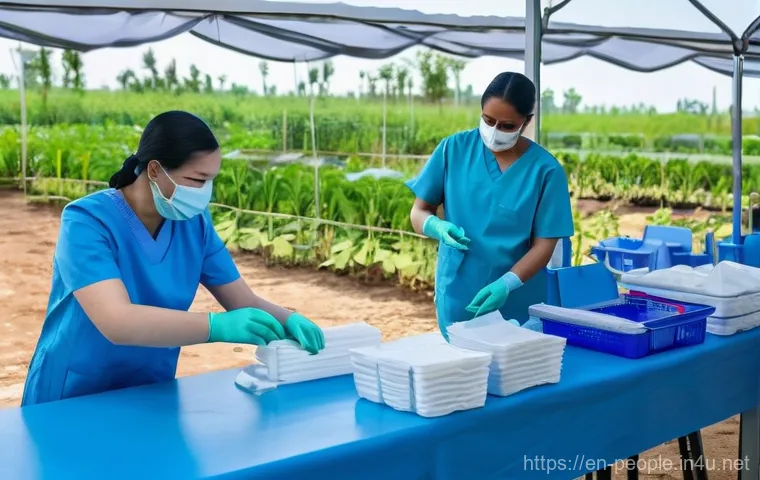
It’s genuinely wild to think back to those early days, isn’t it? I remember feeling a mix of dread and disbelief as the news unfolded. But for some, like Bill Gates and his foundation, the alarm bells had been ringing for years. It wasn’t some sudden revelation; their work on infectious diseases had provided a sobering perspective on what a global pandemic could unleash. They were talking about the need for better preparedness, diagnostic tools, and vaccine platforms long before COVID-19 became a household name. Honestly, it made me wonder, “Why weren’t we listening more closely?” It felt like a Cassandra moment, where someone with deep expertise was trying to warn us, but the world wasn’t quite ready to hear the full gravity of the message. Their extensive investment in organizations like CEPI (Coalition for Epidemic Preparedness Innovations) and their ongoing research into various pathogens meant they weren’t starting from scratch when the crisis hit. They had a foundational understanding that many of us, including governments, were scrambling to catch up on. This proactive, almost prophetic, stance really shaped the initial response landscape, offering a framework for what needed to be done.
Investing in Preparedness and Surveillance
The Gates Foundation’s commitment to strengthening global health systems wasn’t just about reacting; it was profoundly about being ready. They poured resources into improving disease surveillance systems in low-income countries, understanding that an outbreak anywhere could quickly become an outbreak everywhere. I recall reading about their funding for organizations that literally track viruses, and thinking, “Wow, that’s like something out of a sci-fi movie, but it’s real life.” This foresight allowed them to pivot quickly, offering crucial support for diagnostic testing and contact tracing initiatives when many nations were still struggling to get a grip on the rapidly spreading virus. Their efforts created a vital network for information sharing and early detection, which, in my opinion, was an unsung hero in those chaotic initial months. It showed me that true preparedness isn’t just about stockpiling masks; it’s about building robust intelligence systems.
Supporting Frontline Research and Development
Before the world even knew the name SARS-CoV-2, the foundation was already a significant player in vaccine research and development, particularly for diseases affecting the poorest populations. This pre-existing infrastructure and expertise meant they could quickly shift gears to focus on COVID-19. They weren’t just throwing money at the problem; they were strategically funding innovative approaches, partnerships between academic institutions and pharmaceutical companies, and ensuring that promising candidates received the necessary backing. My personal takeaway from observing this was how critical sustained, long-term investment in scientific research is. It’s not just about crisis management; it’s about nurturing the ecosystem that can respond to crises. The rapid development of multiple effective vaccines wasn’t just a miracle; it was the culmination of years of groundwork, much of it quietly supported by philanthropic organizations like theirs.
Catalyzing Vaccine Innovation and Global Reach
When the world collectively held its breath, waiting for a solution, vaccines emerged as the beacon of hope. And if you followed the news, Bill Gates’ name was almost inseparable from the conversation around their development and, crucially, their equitable distribution. It wasn’t just about funding research; it was about orchestrating a global effort. I remember seeing countless interviews where he emphasized that a vaccine in one country wasn’t enough; everyone needed access for the world to truly recover. This commitment to “vaccine equity” felt incredibly important, especially when wealthy nations were scrambling to secure their own supplies. It highlighted a stark reality: health isn’t a national issue; it’s a global one, and our interconnectedness means we all rise or fall together. Their partnerships with Gavi, the Vaccine Alliance, and CEPI were absolutely critical in this endeavor, ensuring that the financial and logistical hurdles for vaccine rollout, especially in developing countries, were addressed.
Accelerating Vaccine Development Pathways
The speed at which COVID-19 vaccines were developed was truly unprecedented. From what I’ve gathered, a huge part of this acceleration was due to foundations like the Gates Foundation investing early in various vaccine platforms, including mRNA technology, which later proved so effective. They didn’t just bet on one horse; they supported a portfolio of promising candidates, understanding that not all would succeed. This diversified approach was a smart play, de-risking the development process for pharmaceutical companies and ensuring that multiple options were on the table. It really showed me the power of strategic philanthropy in moving mountains that traditional markets might deem too risky. The funding wasn’t just for labs; it was for clinical trials, manufacturing scale-up, and all the intricate steps needed to bring a vaccine from concept to injection. It felt like they were helping to grease the wheels of scientific progress at a time when speed was of the essence.
Advocating for Equitable Access and Distribution
One of the thorniest issues throughout the pandemic was ensuring that vaccines reached everyone, not just those in affluent nations. I remember feeling frustrated by the “vaccine nationalism” early on. The Gates Foundation, through its support for COVAX, played a pivotal role in pushing for equitable access. They advocated tirelessly for intellectual property sharing and capacity building in lower-income countries, understanding that donations alone wouldn’t solve the long-term problem. My experience reading about their efforts showed me the complex dance between humanitarian goals and geopolitical realities. While not every goal was perfectly met, their consistent pressure and significant financial contributions helped millions in underserved regions get access to life-saving vaccines. It was a powerful reminder that global health leadership isn’t just about science; it’s about persistent advocacy and ensuring that no one is left behind.
Beyond the Needle: Strengthening Health Systems
While vaccines grabbed all the headlines, and for good reason, I’ve often thought about what goes on behind the scenes—the broader health infrastructure that makes a vaccine rollout even possible. And that’s where the Gates Foundation’s work often extends far beyond just a shot in the arm. It’s about the entire eco
Investing in Diagnostic Tools and Therapeutics
It wasn’t just about preventing the disease; it was also about managing it once people got sick. I remember the early days when testing was a nightmare, scarce and slow. The foundation significantly invested in improving diagnostic capabilities, particularly for rapid, affordable tests that could be deployed in resource-limited settings. They understood that you can’t fight what you can’t see. Beyond diagnostics, they also supported research and development for therapeutics, looking for effective treatments to reduce severe illness and death. This dual focus—prevention *and* treatment—showed a comprehensive understanding of pandemic response. It was like they were fighting the battle on multiple fronts, and that pragmatic approach resonated with me, as it acknowledged the immediate reality of people getting sick while simultaneously working on long-term prevention strategies.
Reinforcing Supply Chains and Logistics
The pandemic exposed glaring weaknesses in global supply chains, especially for medical equipment. From PPE to oxygen, the world struggled. The Gates Foundation stepped in to support initiatives aimed at strengthening these critical supply lines, particularly in vulnerable regions. My take? They understood that brilliant scientific discoveries are useless if they can’t get to the people who need them. This involved funding for logistics, storage, and distribution networks that could handle the immense pressure of a global health crisis. It’s the kind of unglamorous but utterly essential work that often goes unnoticed but forms the bedrock of any successful public health campaign. It showed me that successful philanthropy isn’t always about the flashy headlines; sometimes, it’s about meticulously building the unsexy but vital infrastructure that makes everything else possible.
Weathering the Storm of Public Discourse
Let’s be real, navigating the public conversation around Bill Gates during the pandemic was, to put it mildly, intense. His prominent role, combined with his wealth and influence, unfortunately made him a magnet for scrutiny, speculation, and even outright conspiracy theories. I remember vividly how quickly his name became intertwined with outlandish claims about microchips and population control. It was a disheartening period, seeing someone dedicated to global health become the target of such baseless accusations. It really highlighted for me the darker side of our interconnected digital world, where misinformation can spread like wildfire, often overwhelming factual information. It felt like a bizarre paradox: the more he tried to help, the more he became a lightning rod for those seeking simple, often sinister, explanations for a complex crisis. This experience, from my perspective, underscored the immense challenge of communicating science and public health initiatives effectively in an era of deep distrust and widespread online echo chambers.
Battling Misinformation and Distrust
The sheer volume of misinformation during the pandemic was staggering, and much of it centered around figures like Bill Gates. I often wondered how frustrating it must have been for him and his team to see their decades of work twisted and misrepresented. They made efforts to counter these narratives, often through direct communication and by supporting reputable news organizations and fact-checking initiatives. My personal feeling was that while they tried, the sheer force of online conspiracy theories was a formidable opponent. It taught me a valuable lesson about the importance of media literacy and critical thinking for everyone, not just those in public health. It’s a reminder that even with the best intentions and scientific backing, public trust can be incredibly fragile and easily eroded by persistent, unfounded rumors. The challenge wasn’t just the virus; it was the ‘infodemic’ that raged alongside it.
The Weight of High-Profile Philanthropy
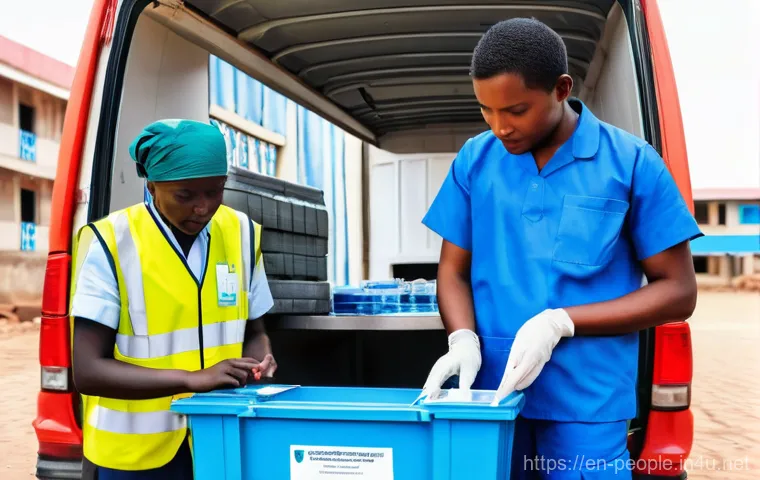
Being a public figure with immense wealth and a global philanthropic mission means operating under a microscope. Every action, every statement, is dissected and often reinterpreted. I’ve often thought about the sheer pressure that must come with that kind of visibility, especially during a crisis of this magnitude. Critics often pointed to the potential for undue influence or a “savior complex,” and while some of those critiques might hold water in certain contexts, I always tried to separate genuine concerns from malicious attacks. My takeaway was that while philanthropy can do immense good, it also carries the burden of proving its intentions and impact transparently, especially when operating on a global stage. It’s a tough tightrope to walk, balancing effective action with maintaining public confidence in an increasingly skeptical world.
The Long Game: Investing in Future Resilience
Even as the immediate crisis of COVID-19 began to recede, the conversation within the global health community, heavily influenced by voices like Bill Gates, quickly shifted to “what next?” The pandemic, for all its devastation, served as a stark wake-up call. It made it abundantly clear that our previous level of preparedness wasn’t enough. I remember thinking, “We can’t just go back to business as usual; we have to learn from this.” The foundation has since pivoted to a focus on long-term pandemic prevention and response, advocating for significant, sustained investment in what they call a “global pandemic prevention and response system.” This isn’t just about buying more masks or making more vaccines; it’s about creating a permanent, agile infrastructure that can detect, contain, and neutralize future threats far more effectively than we did with COVID-19. It feels like a generational project, and it’s comforting to see such a dedicated push for lasting change.
Building a Global Early Warning System
One of the key lessons learned from the pandemic was the critical need for much better early warning systems. Imagine if we could detect novel pathogens and their potential for spread much, much earlier. The Gates Foundation is a major proponent of creating a global network of surveillance that can identify emerging threats in real-time, share data seamlessly, and trigger rapid responses. I envision something akin to a global weather forecasting system for diseases. This involves funding for genomic sequencing, data analytics, and international collaboration platforms. My personal take is that this is absolutely essential. The cost of prevention, even if it seems high now, pales in comparison to the economic and human toll of another full-blown pandemic. It’s an investment in collective security, plain and simple.
Enhancing Research and Manufacturing Capabilities
Another crucial element of future resilience is ensuring that the world has the capacity to rapidly research, develop, and manufacture medical countermeasures—be it vaccines, therapeutics, or diagnostics—at scale. This means not just in wealthy countries, but globally. I’ve often heard discussions about “decentralizing” manufacturing, and the Gates Foundation supports efforts to build regional hubs for vaccine production, particularly in Africa and other developing regions. This reduces reliance on distant supply chains and strengthens local self-sufficiency. It feels like a logical and necessary step forward, ensuring that the next time a pathogen emerges, the solutions can be developed and deployed much more equitably and quickly. It’s about empowering communities and nations to be part of the solution, rather than passively waiting for aid.
The Human Element: My Take on Philanthropy’s Role
Stepping back and looking at the entirety of Bill Gates’ and his foundation’s involvement in the pandemic, it’s impossible to ignore the sheer scale of their efforts. As someone who’s keenly followed global health for years, I’ve often grappled with the role of powerful philanthropists. There’s a constant tension between the undeniable good they can achieve and the questions of democratic accountability or potential for agenda-setting. Yet, during COVID-19, my personal experience watching the crisis unfold made me appreciate the agility and commitment that a well-resourced philanthropic organization can bring to the table when traditional governmental responses are often bogged down by bureaucracy or political infighting. It’s a complex dynamic, but one thing is clear: their engagement saved lives and significantly altered the trajectory of the pandemic response. It pushed the envelope, spurred innovation, and consistently advocated for a more equitable global approach. It made me realize that while imperfect, philanthropic capital often fills crucial gaps that might otherwise remain tragically empty during moments of global crisis.
Bridging Gaps and Fostering Collaboration
One aspect that always strikes me is how foundations like the Gates Foundation often act as critical conveners, bringing together diverse stakeholders—governments, academic researchers, pharmaceutical companies, and NGOs—who might not otherwise collaborate effectively. I’ve seen countless examples where their funding and influence created the neutral ground needed for breakthroughs. This ability to bridge gaps, whether financial, logistical, or political, is incredibly powerful. During the pandemic, this collaborative spirit was vital. It wasn’t just about direct donations; it was about catalyzing partnerships that accelerated solutions. My take is that this role as a “global orchestrator” is often underestimated but incredibly valuable, especially when global challenges require truly global solutions.
Lessons in Resilience and Adaptability
If there’s one overarching lesson I’ve taken from observing the Gates Foundation’s pandemic response, it’s the importance of resilience and adaptability. They’ve been in the global health game for decades, and that deep well of experience allowed them to pivot, learn, and adjust their strategies in real-time as the situation evolved. It wasn’t always perfect, and there were undoubtedly missteps, as there are in any massive undertaking. But their long-term commitment and willingness to continuously reassess their approach struck me as a crucial characteristic of effective leadership in a crisis. It’s a testament to sustained effort over instant solutions. And personally, it reinforces my belief that for truly impactful change, especially in areas as complex as global health, patience, persistence, and a willingness to learn are absolutely paramount.
| Initiative Area | Key Focus During COVID-19 | Example of Impact |
|---|---|---|
| Vaccine Development | Funding research & development for multiple candidates (mRNA, adenovirus vectors) | Accelerated development timelines; diverse portfolio of effective vaccines. |
| Equitable Access | Support for COVAX facility; advocacy for global distribution mechanisms | Facilitated vaccine access for lower-income countries; helped prevent vaccine nationalism from completely dominating. |
| Diagnostics & Therapeutics | Investment in rapid, affordable testing kits; R&D for treatments | Improved testing capacity, especially in resource-limited settings; identified effective treatment protocols. |
| Health Systems Strengthening | Support for supply chains, cold storage, health worker training | Reinforced critical infrastructure for vaccine delivery and overall pandemic response. |
글을 마치며
Reflecting on everything we’ve covered, it’s clear that the COVID-19 pandemic truly tested humanity’s limits, forcing us to confront unprecedented challenges. The foresight and dedicated action of figures like Bill Gates and his foundation were undeniably pivotal in shaping the global response, from vaccine development to strengthening health systems. It makes you realize how interconnected we all are, and how much difference proactive investment in science and global collaboration can make when the chips are down. We witnessed both incredible innovation and heartbreaking disparities, and these experiences offer crucial lessons for facing future global health crises head-on. It’s a powerful reminder that while we can’t predict every challenge, we can certainly choose to be better prepared.
알아두면 쓸모 있는 정보
1. Stay Informed, Critically: In a world flooded with information, actively seek out news from diverse, reputable scientific and journalistic sources. My personal experience during the pandemic taught me how vital it is to discern facts from sensationalism, and to always question the narratives you encounter online. Don’t just read headlines; dig into the details to truly understand complex global health issues.
2. Support Local and Global Health Initiatives: Whether it’s donating blood, volunteering at community health drives, or advocating for increased funding for public health, your actions matter. Even small contributions can add up to significant impact, bolstering the very systems that protect us all. Think globally, but act locally – or find organizations that bridge that gap!
3. Understand Vaccine Science: Take the time to learn about how vaccines work, their development processes, and their impact on public health. Dispelling common myths with factual information not only empowers you but also helps build a more informed and resilient community. It’s truly fascinating how much science goes into protecting us from diseases.
4. Practice Personal Preparedness: While we hope to avoid another pandemic, having basic household emergency supplies, understanding local health guidelines, and maintaining good personal hygiene are always wise. It’s not about fear; it’s about being responsible and ready for various unforeseen circumstances, whether a power outage or a flu season surge. A little planning goes a long way!
5. Advocate for Equitable Access: The pandemic highlighted stark inequalities in healthcare access worldwide. Use your voice to support policies and organizations that champion health equity, ensuring that life-saving innovations and treatments are available to everyone, regardless of their geographic location or socioeconomic status. A healthy world is a more stable and prosperous world for us all.
중요 사항 정리
The COVID-19 pandemic served as a profound wake-up call, underscoring the indispensable role of proactive global health initiatives and the critical need for a robust, interconnected response system. From the Gates Foundation’s early investments in disease surveillance and vaccine platforms, which significantly accelerated the development of life-saving interventions, to their tireless advocacy for equitable distribution through initiatives like COVAX, their influence was undeniable. This period also starkly revealed the challenges of combating widespread misinformation and the complex dynamics surrounding high-profile philanthropy in an age of intense public scrutiny. Moving forward, the emphasis must remain on building lasting resilience: establishing sophisticated early warning systems, decentralizing research and manufacturing capabilities, and fostering international collaboration. My biggest takeaway? True global health security hinges not just on scientific breakthroughs, but on sustained commitment, transparent communication, and a collective willingness to prioritize humanity’s well-being over nationalistic or short-term interests. We’re all in this together, and our preparedness for the next challenge depends on the lessons we genuinely internalize from this one.
Frequently Asked Questions (FAQ) 📖
Q: What exactly did Bill Gates and his Foundation do during the COVID-19 pandemic to help, and what was their biggest focus?
A: You know, when the COVID-19 pandemic hit, it felt like the world just stopped. And amidst all the chaos, Bill Gates and the Bill & Melinda Gates Foundation really stepped up.
From what I’ve personally observed, their biggest impact was probably twofold: massive financial contributions and an unwavering push for equitable vaccine access.
They poured billions—yes, billions!—into the global response. We’re talking over $2 billion, if my memory serves me right, for everything from developing new vaccines and treatments to getting tests where they were desperately needed.
But honestly, what resonated with me the most was their fierce advocacy for making sure these life-saving vaccines weren’t just for wealthy nations. They really championed initiatives like COVAX and argued passionately that no one is safe until everyone is safe.
It truly felt like they were trying to solve a global problem with global solutions, focusing on building up manufacturing in places like India and Africa, which, let’s be real, is where a lot of the world’s health burdens often fall.
It’s a huge undertaking, and frankly, I think their dedication to getting those shots to every corner of the world, not just the rich ones, was pretty remarkable.
Q: Why did Bill Gates face so much criticism and become the subject of conspiracy theories during the pandemic, even when he was trying to help?
A: Oh, the criticisms! It’s wild, isn’t it, how quickly someone can go from being a respected philanthropist to the center of some truly bizarre theories?
I remember scrolling through social media during the height of the pandemic and seeing so many wild claims about Bill Gates. Honestly, it was a bit disheartening.
From what I’ve gathered, a lot of the criticism stemmed from his prominent public role and the Foundation’s significant influence in global health. When you’re as visible as he is, and you’re talking about something as sensitive as vaccines and public health, you unfortunately become an easy target.
I mean, think about it – there were these outlandish conspiracy theories suggesting he engineered the virus, or that vaccines contained microchips for surveillance.
It sounds absolutely wild when you say it out loud, but a surprising number of people latched onto these narratives. It really felt like fear and misinformation just created a perfect storm.
It also didn’t help that some long-standing anti-vaccination groups and even political figures found it convenient to point fingers. It’s a sad reality that in times of crisis, distrust can spread just as fast as any virus, and Bill Gates, with his decades-long focus on global health, became an unfortunate lightning rod for it all.
Q: Bill Gates had warned about a potential pandemic years before COVID-19. How did his previous warnings shape his involvement during the actual crisis?
A: It’s almost eerie, isn’t it? Bill Gates wasn’t just reacting to the pandemic; he’d been warning us about one for years! I clearly remember his 2015 TED Talk, ‘The Next Outbreak?
We’re Not Ready.’ At the time, I thought, ‘Wow, that’s a chilling thought,’ but never imagined we’d see it unfold so dramatically. He essentially laid out a blueprint for what a global pandemic would look like and how utterly unprepared we were.
He talked about the need for robust health systems, quick vaccine development, and diagnostic testing – essentially, all the things we scrambled for when COVID-19 hit.
So, when the virus actually struck, he wasn’t just a tech billionaire; he was a voice of experience and expertise, almost like a prophet of public health.
His foundation had been investing in pandemic preparedness and infectious disease research for decades, long before it was headline news. This deep background gave him, and the Foundation, a unique authority to speak out, push for specific solutions, and even call out governments when they seemed to be fumbling, like when funding for the WHO was threatened.
From my perspective, his earlier warnings gave him a certain gravitas, even if not everyone listened initially. It made his later calls for global collaboration and science-driven solutions feel even more urgent and grounded.